
Do I Need to Winterize My RV? 2025 RV Off-Season Tips


“When should I Winterize my RV?” In my opinion, the best time to winterize is NEVER. When your RV is winterized it’s not readily available for camping. And isn’t that why we buy these vehicles, in the first place? To me it’s like parking your car in the garage and taking off all four tires to prevent a possible future flat tire. Who does that?
Personally, we have owned an RV in Oregon since 1999 and have never winterized it even though the temperatures in Oregon certainly warrant winterization. Because we chose not to winterize our RV, we had the opportunity to enjoy dozens of memorable winter camping trips, some in the snow and a few in ice storms. But like everyone else we had to keep our pipes and fixtures from freezing, so when it wasn’t in use, we parked our RV on our property and kept it plugged into shore power.
By accessing electricity, we were able to keep the heat on inside the coach. And with an electric de-humidifier, we could control the humidity (that builds up when there’s a disparity between the inside and outside temperatures). I realize it was a luxury to be able to use shore power through the winter and to leave the refrigerator running with propane so the fridge didn’t get moldy and we could keep it stocked up with all our camping condiments. Unfortunately, most RVers are not that fortunate.
Storage Options When Winterizing Isn’t Feasible
If parking your RV on your property and plugging it into an electrical outlet is not an option, there are many indoor RV storage facilities that do offer continuous indoor temperature-controlled storage space (some with shore power), but these units can be quite costly. We shopped around and found a few Grade A storage units like Crossroad Storage in North Fort Myers Fl, and Crossroad Storage in Huntington Beach Ca and North Plains RV and Self-Storage in North Plains Or.
Of course, you’ll need to do your own research in your area because you don’t want to have to pack for a road trip just to retrieve your RV from its storage location. However, if you spend your winters in one of the sunbelt states (like California or Florida) and get tired of driving your RV back and forth between your summer and winter stomping grounds you could just store it in one of the excellent storage facilities near your winter camping destination.

However, if you can’t afford high-end storage, and you can’t access electrical power on your property you will probably need to winterize your RV unless your winter weather conditions are so mild you never get any freezing temperatures. Congratulations to you, if that’s the case, but be advised that RV winterization is more involved than just treating the water lines so they don’t freeze and the question before us is…when is the best time to embark on these procedures. Perhaps a better understanding of all the steps of winterization will inform us as to the best time to accomplish these tasks.
Be advised that winterization should include the following procedures;
- a whole RV inspection,
- outside wash,
- deep indoor cleaning and organization,
- remove the clutter that accumulate over time,
- drain the water lines and flush with antifreeze.
Because some of these steps are outdoor activities you should plan to winterize after you’re finished camping for the season but before the local weather produces prolonged periods of subfreezing temperatures.
The end of the summer camping season is the typical time most RVers choose to winterize. But there isn’t a specific date or a one-size-fits-all answer to the question, when is the right time to winterize my RV? There are many variables at play that will dictate the right time for you. The general guideline is to get it winterized after you’re done using it for the season and before the weather gets so cold it will make the outdoor procedures difficult or unpleasant. Also plan to get the winterization done before the weather threatens the functionality of your RV’s systems, like the flow of freshwater, diminished battery power, or frozen gray and black water holding tanks.
Other Considerations: Weather, Location, and Pests
There are many variables that can impact the timing of your winterization process. Perhaps your RV is permanently located in a park or campground and you use it as a vacation get away. In that case, many of the parks close for the winter starting Oct 1. So, check with the management to determine when your park closes for the winter then schedule your end-of-summer winterization process around their closing schedule.
Another example of a variable that can impact your winterization schedule is your need to use the RV for a late fall/early winter hunting trip or family outing. In that case postpone the winterization and try to keep the RV plugged in with a little heat on the inside to keep the waterlines flowing but don’t do the full winterization procedure until after the fall/winter outing.

The primary activity of the winterization procedure is flushing out all the water lines and adding antifreeze to keep the water from freezing inside the plumbing fixtures and water lines, but as stated earlier, winterization should also include many other procedures, like washing the outside, checking the chalk on the roof and seams, deep cleaning the inside of the RV, and clearing out the refrigerator, pantry, and closets. This process could be done in less than an hour if you just do the water lines, or it could take all day if you wash the outside and organize and clean the inside.
Let’s face it, leaving your RV unoccupied and stationery through the cold winter months can have a chilling effect (pun intended) on your future enjoyment of the rig. There is more than one threat to your RV during the winter. Of course, it could freeze up, but it could also attract a host of unwanted pests, like ants, mice, stink bugs, or black widow spiders.
A dirty, unattended, RV with food in the pantry is an open invitation for a pest invasion. In that case, next spring when you’re getting ready to go camping, you’ll need to de-winterize it AND get rid of the pests, then clean the pest residue from every place where they nested and foraged. Make part of your winterization process a proactive effort to repel all the pests that are attracted to your RV. Use whatever tools or methods appeal to you, including ultrasonic repellers Additionally, leaving your rig clean will make it more inviting when you’re ready to get back out into nature next year.
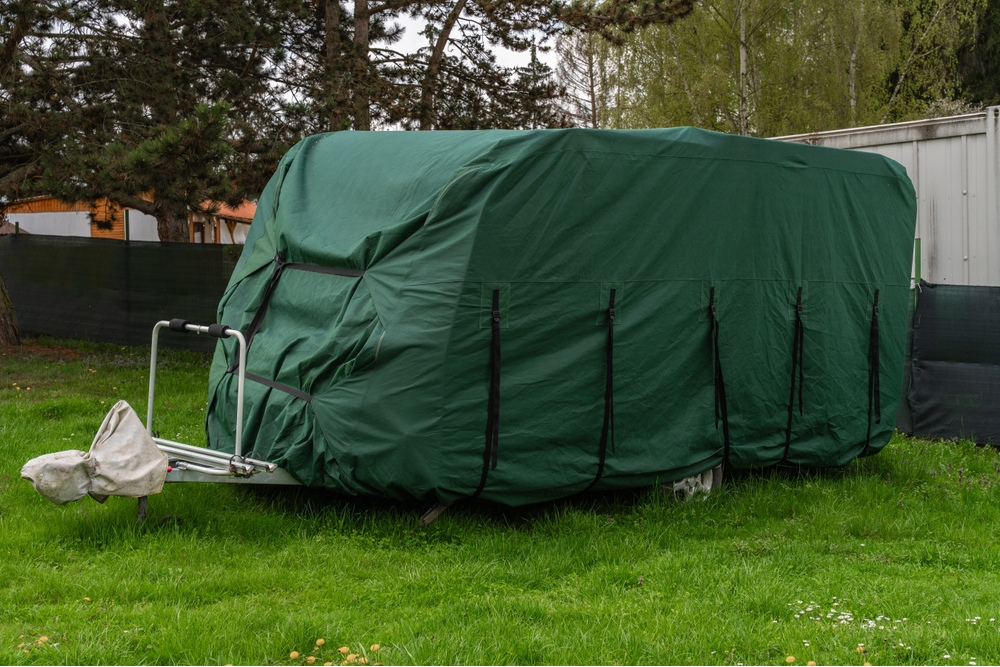
The issue of when is the best time to winterize also depends on your geographical location. If you and your RV are in the sunbelt you might not even need to drain the water lines to prevent damage from frozen fixtures, but if you and your RV are in Northern Ontario, or Denver, or Alaska or anywhere with severe winter weather it might already be too late to winterize for the 2025 winter season.
The weather should inform your decision, as to the right time to winterize your RV. An unusual early or heavy frost might be a precursor of more severe weather on the horizon and you should view it as a warning. If your home typically starts getting snow in early November then plan on getting your RV winterized by mid Oct or Halloween (at the latest).
If the coldest weather in your neighborhood doesn’t come around until January or February then you might be able to postpone winterization until Christmas, but why wait? If you’re finished camping for the season, getting your RV into a state of winter readiness, as soon as possible, will lift that weight off your shoulders and prevent damage from a surprise cold snap.
Enjoying Your RV Year-Round vs. Winterizing
In summary, if you can avoid winterization, it’s advisable, so you can use your RV year around. In the off season, there are so many beautiful places to camp and the parks and campgrounds are less crowded and a little less costly, plus you get to experience a different season in your RV, with skiing, snowboarding, back country hikes, watching wildlife migrations, and a host of other wonders you can’t experience in the summer months. So, turn on the fireplace, get a blanket and a good book then get cozy and enjoy a few winter camping trips.
If you do winterize, do a comprehensive assessment of all the systems in your RV, from the house batteries, to the refrigerator, to the roof chalking, etc., so it’s well maintained and ready for next season’s adventures.
When should I de-winterize my RV?
As with winterization, there is no specific date to de-winterize. Let your unique circumstances, your location, and the weather in your area, dictate the best time to de-winterize. Wait until after the treat of a deep freeze has passed and you’re getting anxious to start camping. You’ll know when the time is right.
How cold is too cold for an RV?
Again there isn’t one answer for this question. Some RVs are better insulated than others and some come with an all-weather package that includes extra heavy duty insulation in the under-carriage and heated tanks. But if water will freeze in a can outside or under your RV you can assume the same thing is probably happening in the water tubing inside your RV unless you are able to keep the heat on to warm the interior. Anything below freezing could be problematic in an RV.
How long should you run water in RV after winterizing?
If you put antifreeze in your fresh water tank and were not able to empty that tank with the discharge valve on the outside of the RV you’ll need to run the water inside your RV long enough to purge out all the antifreeze from the fresh water tank.
If, on the other hand, you have already purged the fresh water tank and you’re receiving water inside your RV directly from an outside water source then you just need to clear the antifreeze out of the lines which shouldn’t take more than about 10 minutes.
Run water through all indoor faucets (sinks and shower) for approximately 10 minutes to flush out residual antifreeze from the water lines.

The Best Coastal RV Destinations for Summer

RV Storage to Road-Ready: Complete Prep Guide & Checklist

The Off-Season: Things to do and Prep for Your RV Adventures