
What to Inspect on a Used RV Before Handing Over a Deposit
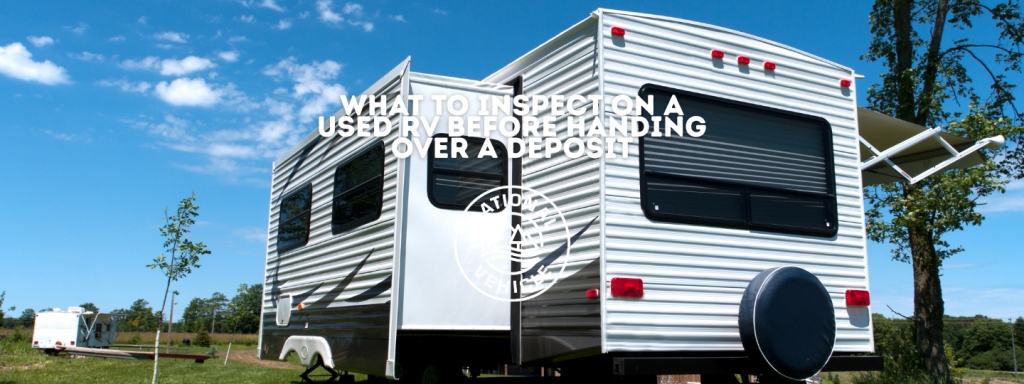

When you’re shopping for a used RV and have identified a vehicle you think you’d like to own it’s time to do a thorough inspection of that RV before you hand over any of your hard-earned money, even if it’s just a deposit. Clearly you want to purchase a fully functional RV unless you’re specifically looking for an oversized DIY project.
RV’s are complex constructions and have many moving parts as well as many interconnected systems. They are a blend of both vehicular components and residence components and must function correctly in both roles. Therefore, you need to inspect them with the two different roles in mind. Can the RV be driven or towed safely? Will you be comfortable in the residential aspects of its use, cooking, lounging, sleeping, etc. Keep both functions in mind when doing the inspection to be sure you’re not overlooking the obvious, or missing some small detail that could cause a lot of grief and expense down the road.
Start by looking at the structural integrity of the RV, then examine the tires and other vehicular components, then inspect the residential aspects of the RV, like the bathrooms and galley, then inspect all the systems that are unique to RVs, like the slide outs, LP system, generator, jacks, etc. Then take it out on the road for a test drive or tow. And finally, if you’re not confident in your assessment, hire an outside professional to do a third-party inspection.
Inspect the Structural Integrity of the RV
Use all your senses not just your eyes when inspecting a used RV. Be mindful of odors like mildew or sewage, these are red flags that something is amiss. Also be aware of any soft spots in the roof, walls, or floor. Spongy places in otherwise ridged surfaces are an indication that there might be dry rot just beneath the surface. If you’re not looking for a DIY project then don’t buy an RV with suspected dry rot! When you’re evaluating the structure of the RV look at the under carriage, the walls, doors, windows, roof, ceiling, floors and cabinetry. Look, feel and smell all these components.
Inspect the Tires
Almost all RVs have tires. If it can be driven or towed it will have tires and these are critical safety and functional components of the RV. Also, be aware that tires rot from the inside out and RV tires are dissimilar from traditional passenger car tires because they don’t get the same amount of routine use.
Tires on a car or truck wear out on the outside faster than on the inside so the wear is more obvious and detectable. But RVs often sit idle for long periods of time so the tires tend to wear out on the inside before the tread is gone. It is virtually impossible to detect this inner wear so the best way to determine the true condition of the tires is to know how old they are or to have them removed and professionally evaluated.
Even if the RV tires still have a lot of tread showing (but they are eight or nine years old and have been exposed to long periods of time in direct sun light) they should be replaced. Yes, it’s expensive to replace six oversized RV tires on a motorhome or even two tires on a trailer, but neglecting this safety measure could result in a dangerous tire failure while driving or towing the RV which could easily cause an accident. Ask the seller how old the tires are and make your decision regarding replacing them based on their age not the amount of visible tread.
Inspect the Engine (if it has one)
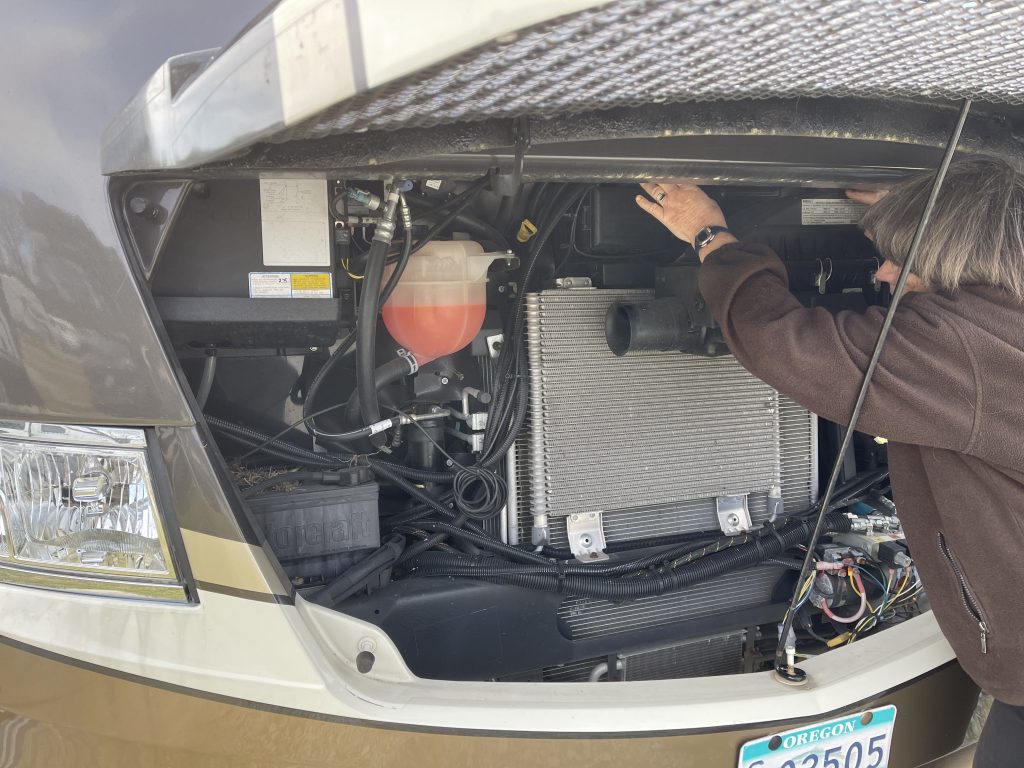
If the RV you want to purchase is drivable (as opposed to towable) then you should check all the engine fluids before handing over a deposit. The fluid levels are an indication of how well the RV’s engine has been maintained. You should also start the engine to make sure the battery and starter are working properly and the engine sounds normal. If you’re mechanically astute you may want to check the spark plugs, radiator, air filter, oil filter, etc and generally inspect the engine. If you’re not able to confidently inspect the engine, consider hiring a mechanic to do this part of the evaluation.

Systems and Components
Now that you’ve worked your way through the structural, tire, and engine inspection you should focus on all the unique RV components, like the jacks, slide outs, generator, LP system, galley features, bedroom(s), bathroom(s) storage compartments, and cabinetry.
Most of these are residential components but they are all part of a movable vehicle so they need to function before during and after the RV as been moved down the road. For example, can you access the refrigerator when the RV is collapsed for travel? Some galleys are accessible even when the coach is collapsed. Another thing to consider is whether you can access a rest room when the slides are in. And is the bed accessible without extending the slide outs?
These are important considerations because there may be times when you don’t have the time or space to extend the slide outs but you’ll still need to access the restroom and galley. When you’re inspecting an RV before you purchase it, be sure to bring in all the slide outs to see what systems are still available in the collapsed configuration.
Test Drive Motorized RVs if Possible
Before you give the seller a deposit, take the RV for a test drive, if it has an engine, or hook it up to you towing vehicle and test tow it. You want a vehicle that clings to the road, easily stays in the traffic lane, and doesn’t wander or fish tail. It should be well balanced and easy to stop. Also check out any back-up cameras or side-view cameras when doing the test drive.
Hire a professional RV inspector
Finally, before you hand over a deposit on an RV you want to purchase if you can’t confidently complete the above described inspection, then you should seriously consider having the RV inspected done by a professional. RV inspectors charge a nominal fee but the peace of mind that you get from their involvement is well worth it. Remember, you’re looking for an RV to enjoy not a costly DIY headache and if you can’t inspect the vehicle yourself then by all means hire a professional. Reach out to the professionals at National Vehicle and ask them to help you through the process.
Frequently Asked Questions:
What are the biggest red flags when buying a used RV from a private seller?
The first thing to be aware of when negotiating the purchase of a used RV from a private seller are evasive or ambiguous answers to your direct questions. If the deal is on the up and up the seller should be able to answer all your questions or there’s a plausible reason the seller can’t answer your questions. For example, the seller might be trying to sell an RV that was owned by a relative that is deceased or no longer affiliated with the RV, so the seller can’t provide details about its use or maintenance. A scammer that doesn’t actually own the RV they are trying to sell may sound legitimate but they can’t provide any of the granular information about the RV’s history that an actual owner would know and be happy to share. Also be wary if the seller can’t produce legitimate registration documents or a title in their own name.
If the deal feels a little squirrely, it would be wise to walk away even if it seems like a real bargain. Trust your instincts. If you have a funny feeling about the seller or the offer, it’s probably based on legitimate concerns and you’d be wise to heed the warning.
How do I test the appliances and systems in a used RV?
Be sure the RV is plugged into shore power and that the LP tank has fuel in it and the gas line is open before you start trying to test the stovetop burners, hot water tank oven, microwave or refrigerator. Ask the seller how everything works and don’t be afraid to take notes.
RVs are complicated networks of many different systems. Therefore, owning one and using it can be confusing. If you end up buying the RV you will appreciate being able to refer back to the how-to instructions provided by the previous owner.
When you’re inspection an RV, if there’s power available for all the systems then ask the seller to demonstrate the functionality of every component in the RV. They’re the owner of the RV and it’s on them to demonstrate that all the systems are working properly at the time of the sale.
How do I check for water damage in a used RV?
The best way to check for water damage in a used RV is to use all your senses, not just your eyes. You might be able to see where water has seeped in at the sides of some caulking or there might be visible water lines on the head liner inside the RV but another clue might be the odor of mildew or even mold.
In addition to your visual perception, you can use your nose and sense of touch to detect water damage. If an area feels soft or spongy it is probably because the under surface has already rotted which means a great deal of effort will be needed to fix it.
Check areas around skylights, the shower stall, toilets, and sinks. Check all the places where water is supposed to be present in an RV but also check the ends of the slide outs and all doors and windows. These are locations where rain water is nearby but should not penetrate to the inside of the RV. Look at these areas carefully, try to detect any musty odors or the smell of mildew and touch the walls, ceiling, and floor to feel for any spongy or soft surfaces.

Is It Time to Upgrade Your RV? 4 Key Signs to Watch For

Is There an RV Blue Book? Tips for Pricing and Selling an RV!

Selling Your RV Without a Dealer: What You Need to Know