
Snowbird Shopping: Choosing an RV You Can Actually Live In From October to March
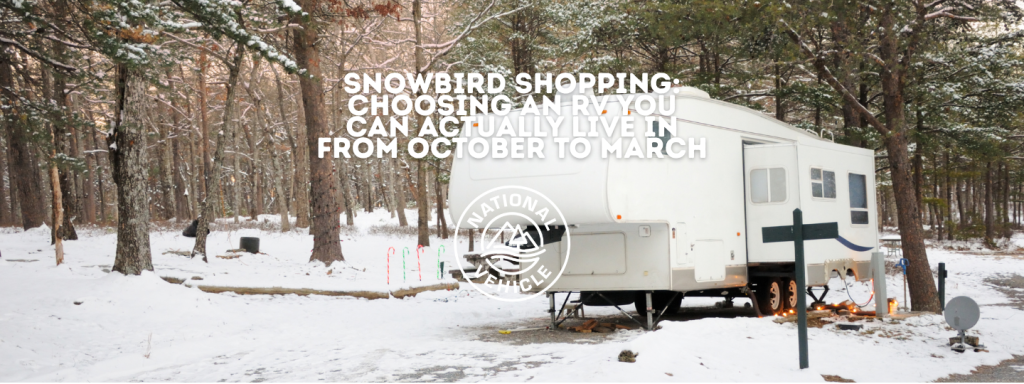

Shopping for an RV you can live in for months at a time can feel exciting, but it can also get overwhelming fast. Every dealer’s lot has something shiny, every floor plan looks clever at first glance, and every salesperson has a reason why one model is “perfect” for a snowbird. But full-time living has a way of showing you what matters and what does not.
The goal is not to buy the RV that looks best in photos. After a few weeks on the road, the fancy fireplace may matter less than a comfortable chair. The big island kitchen may not feel so great if the cabinets are too small. A huge bedroom may lose its charm if the rig is stressful to tow, hard to park, or too expensive to keep warm.
Understand Your Personal Goals
For most, the goal is to buy the one RV you can wake up in, cook in, work in, relax in, and maintain without feeling worn out. A good RV should make everyday life easier, not turn ordinary chores into little battles.
Choosing an RV for full-time living is a lot different from choosing one for long weekends at the lake. A weekend camper only needs to be comfortable for a few days. A full-time RV has to work as your home, office, storage unit, kitchen, bedroom, and travel vehicle all at once. That is why the right choice is less about finding the prettiest floor plan and more about finding the RV that fits the way you actually plan to live from October through March, and possibly even longer.
Start with your Travel Style
If you plan to stay in one warm-weather RV park for several months, a larger fifth wheel or destination-style trailer may make sense because comfort matters more than mobility. If you want to move every week or explore national parks, small towns, and tighter campgrounds, a shorter travel trailer, Class C, or van-style motorhome may be easier to manage. Bigger rigs usually offer more storage, larger bathrooms, and better living space, but they can also limit where you can stay.
Some older campgrounds and public parks cannot easily handle long trailers or large motorhomes. Before you fall in love with a 40-foot floor plan, think about where you want to camp, how often you want to move, and whether you are comfortable driving or towing something that large.
Learn Your Perfect Rig Make and Model
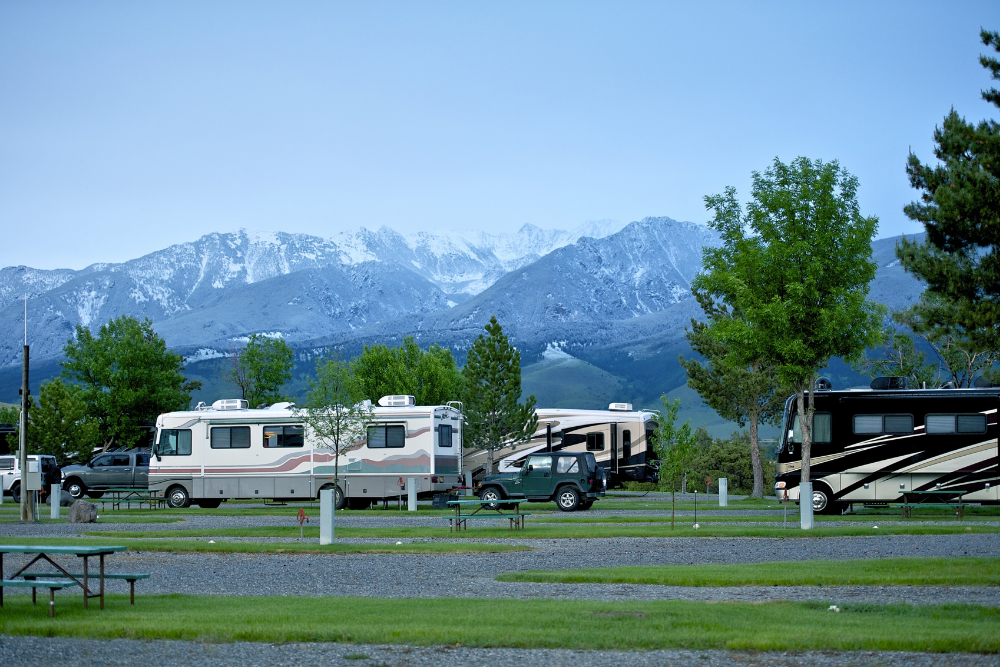
The type of RV matters too. Class A motorhomes often feel roomy and residential, but they can be expensive to buy, fuel, insure, and repair. Class C motorhomes are a popular middle ground because they are generally easier to drive and still offer a real bed, kitchen, and bathroom. Class B vans are simple and nimble, but the tight space can feel limiting for full-time living unless you travel light and spend a lot of time outdoors.
Fifth wheels are a favorite among full-timers because they often have tall ceilings, large kitchens, strong storage, and comfortable bedrooms. Travel trailers can be more affordable and flexible, but you need to match the trailer carefully to the tow vehicle. The best RV type is the one that supports your daily routine without stretching your budget or your driving confidence.
Consider Day-to-Day Life
Once you know the general type, take a hard look at the layout. Imagine a normal Tuesday, not a vacation day. Where will you drink coffee? Where will you sit when it rains all day? Can one person cook while another walks through the room? Is there a place for a laptop, hobby supplies, medications, pet items, winter clothes, and cleaning gear?
A beautiful RV can become frustrating if the bed is hard to make, the bathroom is too cramped, or the only seating is uncomfortable after an hour. Many full-timers also underestimate storage and cargo carrying capacity. Closets and cabinets are useful only if the RV can safely carry the weight. Pay attention to kitchen counter space, pantry size, bathroom ventilation, shower height, bedroom privacy, and whether the living area still works when the slide-outs are pulled in during a quick overnight stop.
Keep Weather Trends in Mind
Climate comfort is another major factor, especially for snowbirds who may start in chilly northern weather and end up in desert sun or coastal humidity. Look beyond stickers that claim “extended season” or “four-season.” Ask about insulation, heated and enclosed underbellies, tank protection, window quality, furnace strength, air conditioning capacity, and roof construction.
Poor insulation can make an RV expensive to heat, hard to cool, and uncomfortable during temperature swings. Full-time living also puts more stress on the plumbing, appliances, furniture, flooring, and roof than occasional camping does. Open every cabinet, test the furniture, look under sinks, inspect seals, and ask how easy it is to get service on the road. A sturdy, plain RV is often a better long-term home than a flashy one built mostly to impress shoppers on the lot.
Other Details Worth Considering
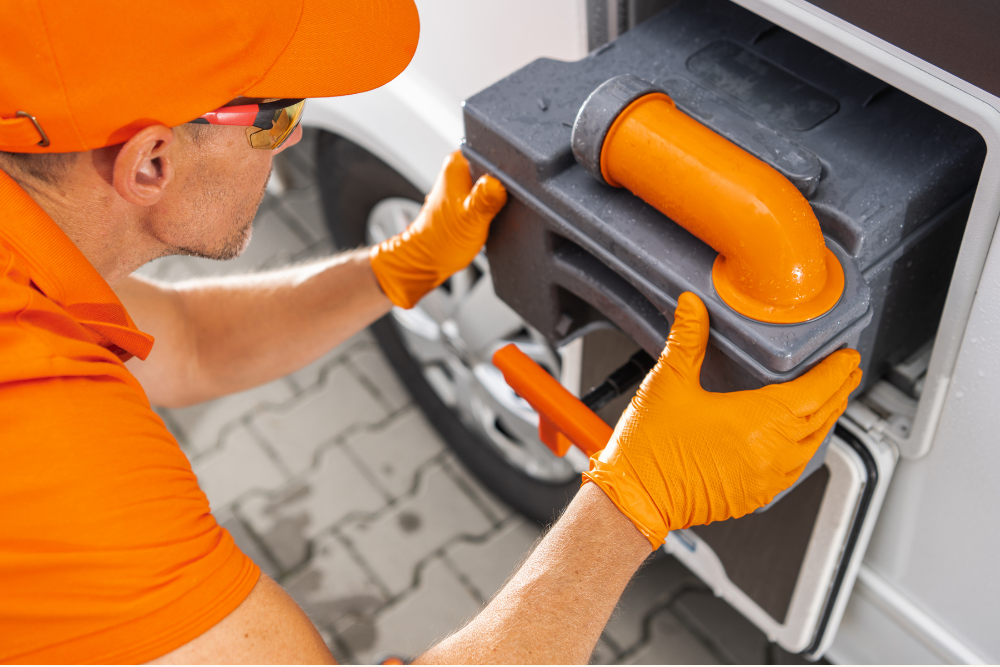
Water, waste, and power systems deserve close attention because they affect daily convenience. Large fresh, gray, and black tanks matter if you plan to boondock or stay in sites without sewer hookups. If you will always be in full-hookup RV parks, tank size may be less important, but it still helps during travel days. Think about how you will shower, wash dishes, do laundry, and manage drinking water.
Power is just as important. Remote workers may need reliable outlets, battery capacity, solar support, an inverter, generator options, and space for internet equipment. If you use medical devices or travel with pets, dependable heating, cooling, and electricity are not luxuries. They are part of basic livability. The right RV should make ordinary tasks feel manageable instead of turning every day into a puzzle.
Bottom Line
Finally, be honest about the total cost. The purchase price is only the beginning. You may also need a properly equipped truck, hitch equipment, insurance, registration, maintenance, tires, roadside assistance, campground fees, propane, fuel, storage, repairs, and connectivity. Used RVs can save money, but they should be inspected carefully for water damage, roof problems, soft floors, tire age, appliance issues, and signs of poor maintenance. New RVs can offer warranties, but they may still need repairs and dealer visits.
If possible, rent a similar style before buying in order to spend long afternoons sitting inside a model of interest. Pretend you already live there. The right RV will not be perfect, but it should feel workable, safe, comfortable, and realistic for your budget. Full-time RV living is easier when the rig supports your habits instead of forcing you to fight the lack of space every day.
Frequently Asked Questions:
What size RV is best for full-time living?
The best RV for full-time living is not always the biggest one. It is the one that gives you enough room to live comfortably without making travel, parking, and maintenance harder than they need to be. For many couples, a 28- to 36-foot travel trailer, fifth wheel, or Class C motorhome is a practical sweet spot. That size usually offers a real bedroom, usable kitchen, comfortable seating, bathroom space, and storage without seeming too oversized to handle. Solo travelers may be happy in something smaller, especially if they plan to move often. Families or people who work remotely may need more space, separate sleeping areas, or a dedicated desk. Instead of shopping by length alone, walk through the RV as if it is a house. Consider where you will cook, work, relax, store clothes, handle laundry, and spend rainy days. If those daily routines feel natural, the size is probably right.
Where do snowbirds go for the winter?
Most RV snowbirds head where winter is mild, services are easy to find, and monthly sites are designed for longer stays. Arizona is one of the classic choices, especially around Yuma, Quartzsite, Tucson, Mesa, and other desert communities. It appeals to people who like dry air, big skies, lower humidity, and a strong snowbird culture. Florida draws travelers who want beaches, palm trees, fishing, golf, and warm coastal weather, though popular areas can cost more in peak season. South Texas, including the Rio Grande Valley, is another favorite because it is generally affordable, friendly to long-term RVers, and packed with winter communities.
Some snowbirds also choose Southern California, New Mexico, Alabama, Mississippi, Georgia, or the Gulf Coast, depending on budget and weather preferences. The best destination depends on what matters most to you: warmth, price, activities, medical care, quiet surroundings, or being near family.
How much does it cost to stay in an RV park for a month?
Monthly RV park costs can vary widely by location, season, site type, and amenities. In many parts of the country, a basic monthly full-hookup site may fall somewhere around $400 to $900. In popular snowbird areas during winter, especially Florida, Arizona, coastal California, and resort-style parks, monthly rates can climb to $700, $1,400, or more. South Texas and smaller inland towns are often more budget-friendly, especially if you book for several months instead of just one.
The important thing is to ask what the posted monthly rate actually includes. Many parks charge electricity separately for long-term stays, and that can add another $50 to $150 or more depending on weather, insulation, and how much you run the air conditioner or heat.
You may also pay extra for Wi-Fi, mail service, pets, storage, or premium sites. For a realistic budget, compare the full monthly total, not just the advertised site rent. To pinpoint the perfect long-term location, use this tool from RVLife.

What to Look for When Buying an RV to Use Year-Round

A Year in Review: A Look Back at the RV Industry and What We Learned

Which RV is Best for Me?