
What a Full Season of Use Tells You About a Used Boat


Buying a used boat is great because it can save you a good amount of money over a new boat. That said, it is important to do your due diligence when it comes to learning about the boat. For this reason, it is best to buy from a boat owner who has used their boat for at least a full season and is willing to answer questions about that season of use.
You see, a full season of use can tell you a surprising amount about a used boat. By the end of a boating season, an owner has had plenty of opportunities to discover how the boat actually performs and problems that were easy to overlook during a quick spring launch will have surfaced. A buyer who can ask questions about these things and receive real, honest answers is starting off on the right foot.
Here are some of the things a full season can reveal about a used boat.
How the Engine Performs Under Real-World Conditions
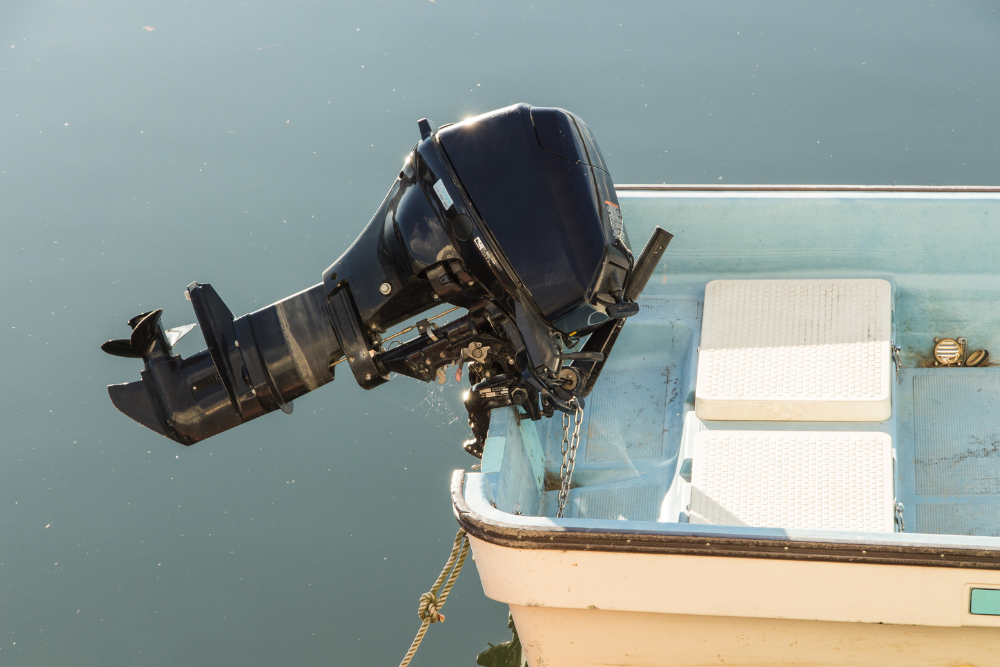
One of the biggest advantages of having the ability to learn about a boat after a full season of use is the fact that you can get a real feel for how the engine performs.
An engine can start easily during a short inspection, but how it performs in real-world conditions is the real test. After a full season, problems like hard starting, overheating, unusual noises, rough running, poor acceleration, excessive smoke, warning lights, and inconsistent performance become apparent.
Ask the seller how many hours were put on the engine during the season, but keep in mind that engine hours alone do not tell the entire story. A boat with more hours that has been consistently maintained is often a better purchase than one with very few hours that hasn’t been well maintained.
Look for evidence of routine oil changes, filter replacements, impeller service, and spark plug replacement. Also, make a point of asking if any mechanical work was required.
Whether the Cooling System Can Handle Extended Use
A boat’s cooling system has a super important job, but problems with this particular system may not appear during a short test run. This is because most cooling issues won’t show up at all until the engine operates under load or for a long period of time. That said, such issues would almost certainly make themselves known after a full season of regular use.
Make sure to ask whether the boat ever overheated or triggered an engine temperature warning. Maintenance records can also provide clues.
Obviously, a full season of smooth operation doesn’t necessarily mean that a cooling system will never have a problem, but it is absolutely a good sign.
How the Boat Handles and Rides
Of course, a boat’s performance is about more than whether it starts and runs. How is handles is also very important. Ask how the boat behaves when accelerating, cruising, turning, docking, and operating at different speeds.
- Does it track straight?
- Does it plane efficiently?
- Does it feel stable?
- Is there excessive vibration?
- Does the steering remain responsive?
Obviously, you will want to take the boat out on the water to test it before purchasings, so you can test how it handles for yourself. That said, a person who has used the boat for a full season will have much more information on how it handles than you can glean from a quick ride. For instance, they may be able to tell you how the boat rides when it’s full of people or gear, something you really can’t learn from a test run.
What the Electrical System Is Really Like
Electrical problems can also be fairly well hidden during a test run, but reveal themselves after a good amount of use. After a season, an owner will know which systems work reliably and which ones have bugs, so ask about them.
Ask whether any electrical components failed during the season.
- Did the batteries hold a charge?
- Did the bilge pump operate correctly?
- Did the navigation lights work consistently?
- Did the electronics ever shut down unexpectedly?
It’s especially important that safety equipment is working properly. Sure, a stereo that doesn’t work is annoying, but a malfunctioning bilge pump or navigation light is a much bigger concern.
In addition to asking questions, be sure to look for evidence of amateur wiring repairs, loose connections, corroded terminals, or improperly installed accessories.
Whether There Are Leaks
Eventually, all boat owners will have to deal with some kind of leak. That said, it’s best not to have to deal with them as soon as you purchase your boat. A boat that’s been out on the water for an entire season will have revealed its leaky spots, meaning the owner of that boat will be able to share important information on the matter.
It’s a good idea to ask whether the boat took on water during the season. If so, did it happen while underway or while sitting at the dock. You’ll also want to find out whether the bilge pump ran frequently and check compartments and accessible areas for signs of standing water, staining, mildew, corrosion, or water damage.
Keep in mind that water inside the boat can come from many sources, including fittings, hoses, seals, drains, hatches, windows, plumbing, or other components. Some of these types of leaks are relatively simple to address while others are a much bigger issue.
How Well the Boat Has Held Up to Sun and Weather
It’s an unfortunate truth, but a boat can look dramatically different after a full season in the sun. UV exposure often causes damage to upholstery, flooring, canvas, plastics, decals, and gelcoat.
This kind of wear isn’t necessarily a reason to walk away. In fact, cosmetic wear is normal. That said, there are some key things to watch out for. Look at the condition of the seats, stitching, flooring, cover, bimini top, snaps, and other fabric components. Check the gelcoat for oxidation, fading, cracks, or repairs. Consider whether the wear is something you can live with and if you might have to repair or replace parts soon due to UV damage.
You can also use the amount of damage along with info on how the boat was stored to determine how well the exterior might hold up for you.
Ask the following questions:
- Was it covered?
- Kept indoors?
- Stored under a boat lift?
- Left in the water?
Which Accessories Are Worth Keeping
Boats often come with a long list of accessories, but while some may be extremely useful to you, others may be completely useless. If you’ve never owned a boat, knowing which accessories are must-haves can be tricky, but a person who has owned the boat for a full season will be able to share which accessories were actually useful and which could go.
Make sure to ask questions about the accessories such as:
- Does the fish finder function properly?
- Does the stereo work?
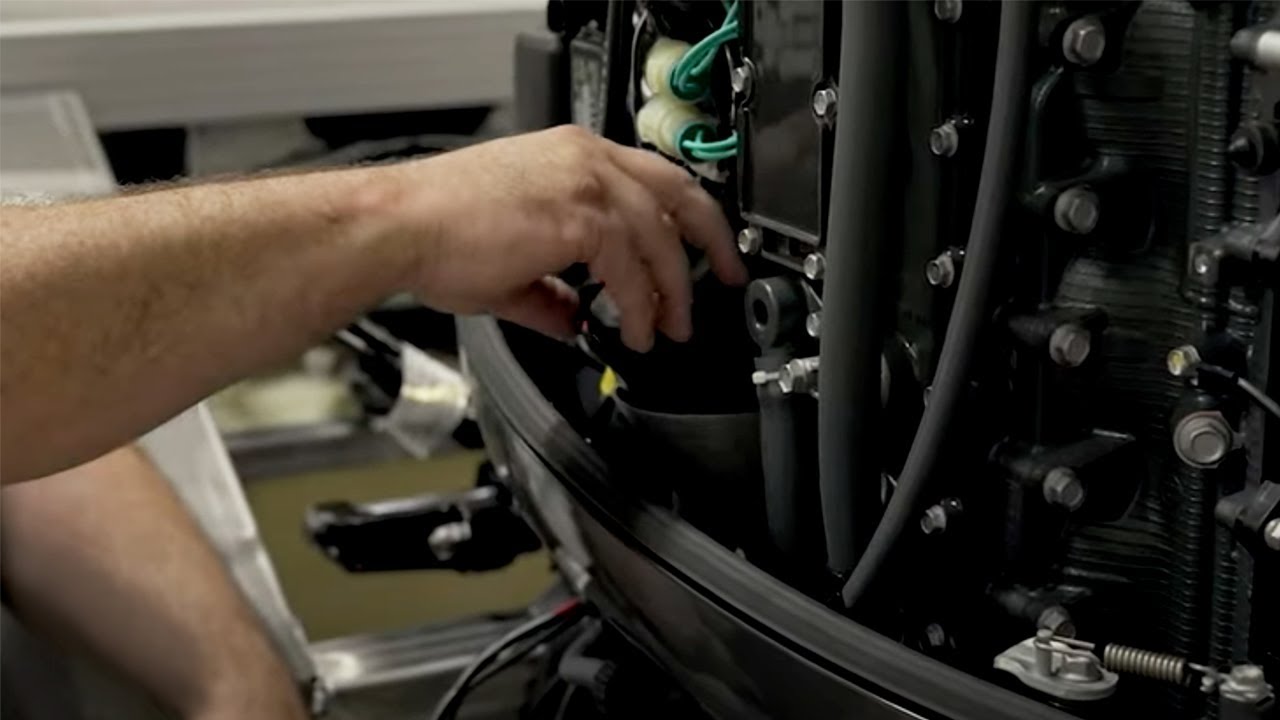
- Does the trolling motor operate as expected?
- Does the anchor system function correctly?
- Do the power seats, lights, pumps, or other accessories operate reliably?
If an accessory is particularly valuable to you, make sure you understand its condition before factoring it heavily into the purchase price.
What Maintenance the Boat Actually Needed
One of the most valuable pieces of information a person will get from a full season of boat use is the maintenance history. For this reason, we highly recommend that you ask for receipts and service records whenever possible. A stack of records will tell you much more than a seller simply saying, “It has always been maintained.”
Look for routine service as well as repairs. A boat that required normal maintenance throughout the season is not a problem, really. Actually, regular maintenance can be a good thing.
What you’re looking to learn is whether the owner addressed problems promptly or ignored them.
If you learn that a major repair was performed recently, find out what caused the problem, what was replaced, and whether the repair came with documentation or a warranty.
How the Trailer Has Performed
If you’re buying a trailerable boat, don’t forget to learn about the trailer. Trailers are just as likely to have issues of their own and a season of launching, retrieving, and towing will definitely reveal problems.
- Inspect the tires for age and condition.
- Look at the wheel bearings.
- Check brakes if equipped.
- Test lights.
- Inspect the frame.
- Make sure safety chains are available and ready to go.
Ask how far the boat was towed during the season and whether the trailer required any repairs. Problems with lights or winches may be relatively minor, but significant frame corrosion, damaged components, or neglected bearings should be looked into.
What Problems Have Already Been Discovered
One of the biggest advantages of buying a boat that has completed a full season is that some problems may already have been found and fixed. In fact, a boat that had a minor issue during the season and received a documented repair may actually be preferable to a boat that has only been used a couple of times.
We recommend you ask the seller directly: What went wrong this season?
Remember though: the existence of a repair isn’t necessarily a red flag. What matters is what the problem was and whether it has been solved properly.
What Still Needs to Be Done Before Next Season
A full season also provides a natural maintenance checklist for the next owner. Ask what the seller planned to do in terms of maintenance before putting the boat back in the water. Knowing what is due soon can help you budget accurately and ensure the boat is taken care of.
Why Documentation Matters So Much
Really, a full season of use is most valuable when there is documentation to back it up.
Service invoices, maintenance logs, engine-hour records, storage receipts, repair records, and other paperwork help tell the story of the boat. No, you can’t expect every used boat to have a perfect paper trail and it’s important to remember that private owners may perform some routine maintenance themselves. However, if you can gather documentation, you’ll be able to purchase with confidence.
Frequently Asked Questions:
How many hours on a boat engine is too many?
Honestly, there is no single engine-hour number that automatically makes a boat a bad purchase (or a good one). What matters more is how well the engine was maintained. In fact, a boat with higher hours and detailed service records may be a better investment than one with very low hours and a history of neglect.
Yes, engine hours should be taken into consideration, but only as part of the bigger picture.
How do I tell if a used boat has been well maintained?
Boat maintenance is so, so important, but how do you know if a used boat has been maintained? We like to start by asking the seller for maintenance records, receipts, and service documentation. You can also look for evidence of regular oil and filter changes, winterization, battery care, cooling-system maintenance, and repairs being completed promptly.
If you aren’t sure your inspection skills are up to par, consider calling in a professional to inspect the boat. Yes, it’ll cost some money, but it might save you thousands in the long run.
What engine problems can appear after a full boating season?
A full season of use can expose several different kinds of problems, including problems with the engine. Common concerns can include overheating, cooling-system restrictions, worn belts or hoses, battery or charging problems, fuel-system issues, oil leaks, corrosion, and difficulty starting or idling.
Ask questions, of course, but also pay attention to warning lights, unusual noises, excessive smoke, poor acceleration, rough idling, overheating, or unusual vibrations during a sea trial. If anything seems abnormal, call in a professional to look at the boat before making a purchase.

Winter Boat Prep Tips to Sell Faster in Spring

Best Time to Sell Your Boat in 2026: Predicting the Ideal Selling Window

Boat Value Forecast: What to Expect from the 2026 Market