
Weathering the Storm: RVing Safely in Severe Weather
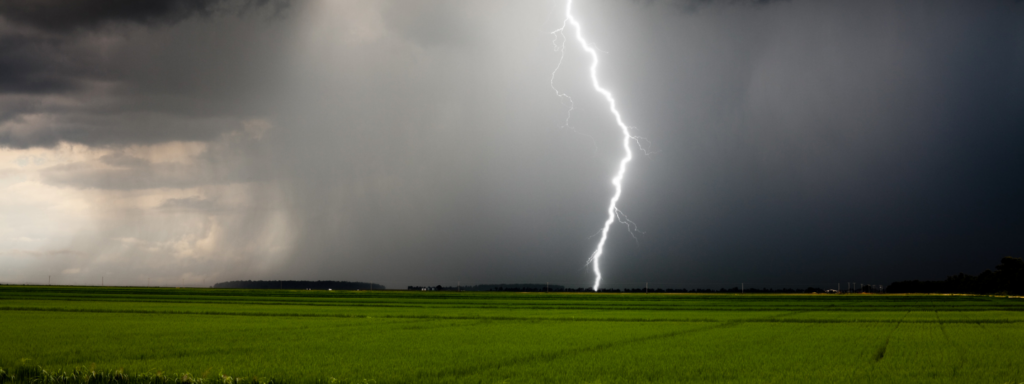

I spend more time on weather apps than I ever did before RVing. Between riding a motorcycle and driving a rig, keeping up with severe weather is critical. It is not just for when you are ‘on the road’. In an RV, you can be more susceptible to the elements. RVing isn’t more dangerous but you are in a different environment and must prepare safety measures to have the great escape you are dreaming about.
Weather App
I use The Weather Channel App to keep up with severe weather via my phone. It is probably 100% accurate in about 80% of the locations around the U.S. and Mexico. That is pretty good compared to most weather apps I have used.
You can set it to get storm alerts and severe weather warnings. You can choose to see hourly weather predictions. This is great for determining when you need to get to your campground. You can depart and arrive earlier if a storm is coming in so you can set up camp or even choose a different location. The app also has a radar tracker. You can scan ahead hourly to see how a storm will move through your area.
There is no app for the National Weather Service but I use them from my computer while we are set up. The service is very accurate and you can get active alerts. It is useful if you are traveling across multiple states because you can look at the weather in a map layout. The service also includes information on flooding, air quality, hurricane warnings, gale winds, and heat advisories.

Packing for Weather
Most of your RV weather safety requires planning. It is usually too late to do it when you arrive at your destination. Here are some items you should have in your rig. Your exact list will depend on the weather you expect to experience. You should know what you will encounter because you have already done severe weather research online or with an app.
· Battery-powered radio for severe weather reports if tech goes down
· Straps to tie down outdoor items
· Masking tape – great for temporarily sealing a leak
· Bandanas serve multiple functions. Wrap ice in them around your neck to cool down, over your nose and mouth in case of fires, or across your face or neck in cold weather
· Hand and feet warmers are perfect in cold if you lose heat
· Flashlights so you can see when the electricity goes out but also signal for help
Try to focus on lightweight, small items. Don’t take up space in your RV, choose items that serve multiple functions.
Eye of the Storm
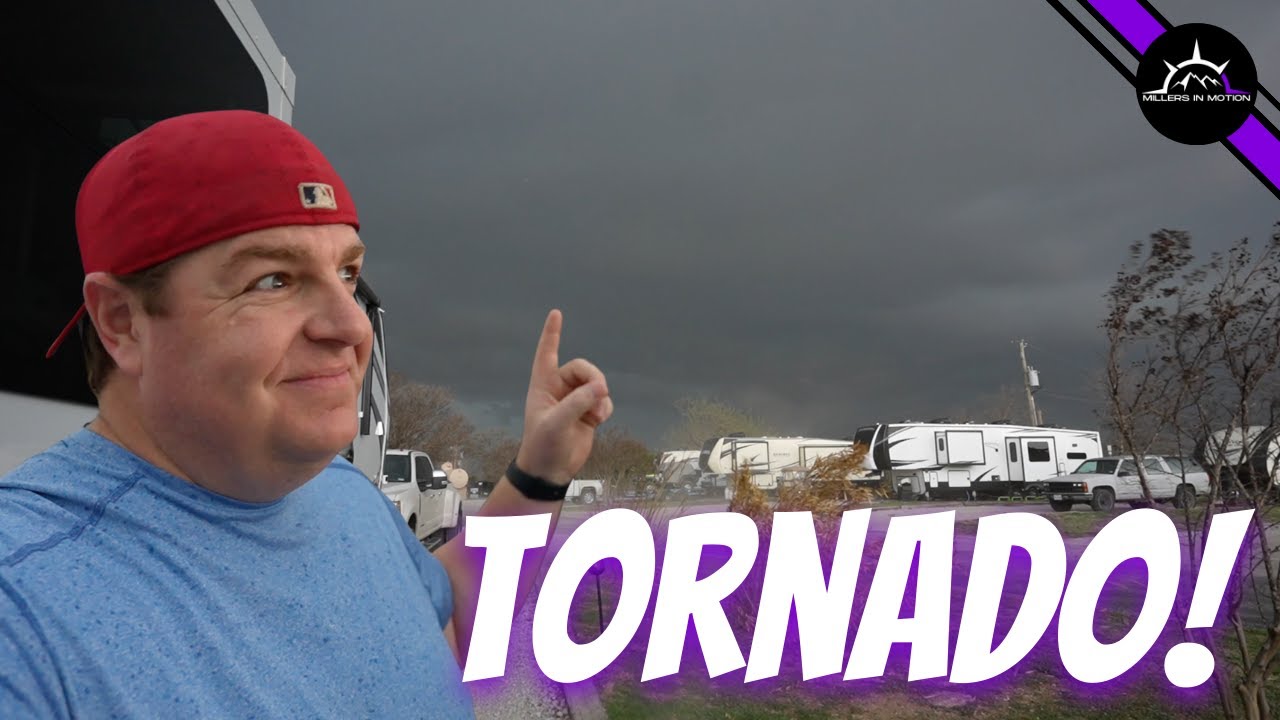
How do you prepare for a storm or severe weather? You can’t wait until you are encountering weather issues for solutions. Here are ways you can prepare in advance:
Storm Shelters
Know where the storm shelters are. You may not have time to pack up the rig and drive to a new location. Flooding may block roads. A forest fire may blanket an area in smoke. Listen for recommendations from the local authorities on where to go for safety.
Escape Routes
If you can relocate your RV, where will you go? Be familiar with the area where you will be camping. Know the roads coming in and out of the area. Some states have recommended highways for evacuations.
Supplies
Make a list of local stores that may have emergency supplies available. Chain stores we have found around the U.S. that usually have RV-friendly items without huge markups are Tractor Supply, Ace Hardware, or True Value.

RVs and Weather
There are things you can do when unexpected severe weather comes your way and you are already at your campground. We have seen these preventable issues happen so many times. Don’t get caught in these costly scenarios.
1. Put away your awnings! We have seen gusts of wind or storms pop up and rip an awning right off an RV. Don’t leave them out and don’t expect tie-downs to hold them in severe weather.
2. Store loose items. Camping chairs blow across the campgrounds. Not only do you lose them, they smack into other RVs – not good.
3. Put away anything you are not using. This keeps the weather from ruining your goods and facilitates a quicker pack-up if you need to get out quickly.
No one wants their RV getaway to turn into a disaster. Knowing the location and understanding the possible encounters will help you feel secure. In an emergency, your planning will keep you safe. The next day when everything is calm again and the skies are blue, enjoy the RV experience you prepared for.

The Best National Parks to Visit Before Summer

How Cold is Too Cold for RVing?
Campground Etiquette: A Guide to Responsible RVing