
RV Winterization Guide: A Fresh Perspective!
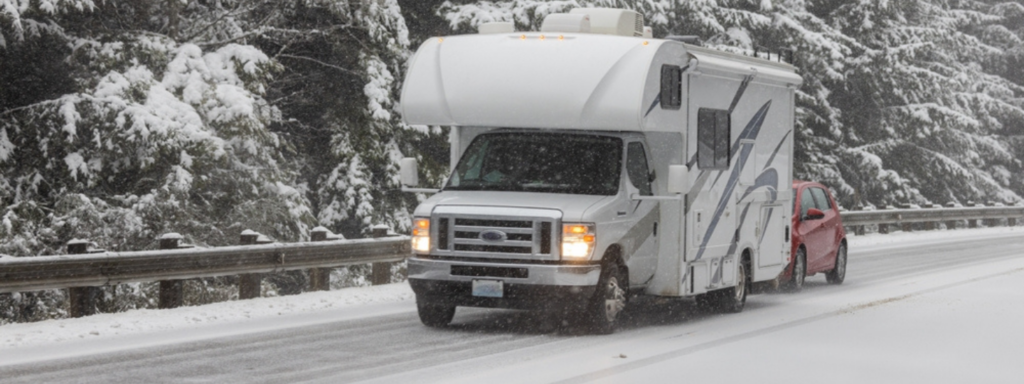

In RV literature and forums, at this time of year, RV winterization is a popular subject. It’s top of mind for many people as they wrap up their summer camping season and are preparing to store their fifth wheel, motorhome, or camper. But this article is not going to be a list of all the steps needed to winterize an RV because that subject has been covered extensively in numerous online blog posts. Rather, we’re going to dig a little deeper into a few frequently asked questions related to winterization that you may not have considered before. This is a list of those FAQs.
- Does everyone need to winterize their RV?
- Do I need to winterize my RV if I live in it?
- How long does it take to winterize a camper or motorhome?
- Do I need to monitor my RV once it’s winterized?
- How long can a camper stay winterized?
- When should I winterize my camper?
- What’s the biggest threat to my RV in the wintertime?
- Should I cancel my insurance during the winter months?
Does Every RV Owner Need to Winterize Their Recreational Vehicle?
No. If you live in the sunbelt, with no threat of freezing weather, you might not need to winterize your RV. However, if you’re not going to be using it for several months, there are some steps in the winterization process that still might help preserve your RV in peak camping condition. The primary reason most people winterize their RV is to remove all the water from the pipes and tanks so that they don’t freeze, expand, and rupture.
Therefore, if you live in a warm climate this is not going to be an issue. But there are other steps in RV winterization (besides protecting the pipes) which includes taking care of the seals and seams on the roof, slide-out seals, battery care, tire care, protecting the rig from pests or vandals, and controlling humidity.
For example, one vital winterization step you might not want to overlook is taking all the food out of your refrigerator and propping the door open for ventilation if you don’t intend to use it for several months. In the case of RVers who live in warm climates, you might not need to put antifreeze in your pipes but many of the other steps in the winterization process would still be applicable.
On the other hand, you might not need to winterize your RV at all, if you intend to use it year around. As an example, we live in Western Oregon, where we have our fair share of ice and snowstorms, but in the 25 years we have owned an RV we have never winterized it because we continued to use it through the winter months even in really cold weather. When not in use we kept it plugged in to 20 amp power and used the furnace to raise the interior temperature to a moderate level. It was stored on our property, and we were able to check on it frequently.
Do I Need to Winterize My RV If I Live in It?
No. In fact, I can’t imagine how you could use your RV effectively every day if it’s been winterized. The whole idea is to drain the pipes and put in antifreeze to keep the pipes from freezing. But before you can use your RV after it’s been winterized, you must de-winterize it by flushing all the antifreeze out of the water system. If you live in your RV, you’ll keep the interior temperature at a moderate level and regularly use your refrigerator, batteries, water heater, and other systems that would routinely be disabled in the winterization process.
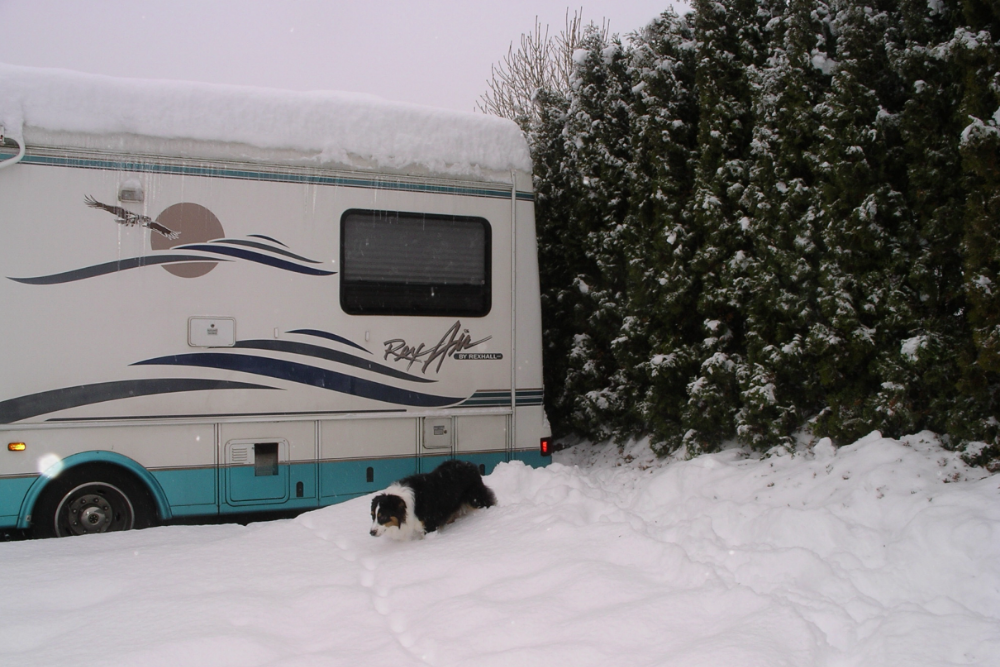
In fact, for the past seven years we have been full-time travelers living in our motorhome and have often woken up to a blanket of snow covering our RV and campsite. The cold weather was not a problem because we took steps to keep water flowing through the pipes by allowing a trickle of water to run into the gray tank that we left open and draining into the sewer system. We also kept the heat at a modest level, so the interior of the motorhome was much warmer than the temperature outside. I can’t imagine how we or anyone could live in a winterized RV.
How Long Does it Take to Winterize a Camper or Motorhome?
The answer to this question is …it depends. It depends on how extensive your particular winterization process is, how close your RV is to your residence, and whether or not you intend to store your RV on your property, in a campground, or in an offsite storage facility. If you can store your RV on your property with ready access to it, then you may not need to do as much winterization as someone who stores their RV permanently as a vacation home in a campground.
In a perfect winterization process, you should wash and potentially wax the outside of the camper, clean the inside, clean out all of the seasonal supplies and food items, disconnect the batteries, inflate the tires, check all the roof seals, drain the water lines and add antifreeze, turn the refrigerator off and prop the door open, and finally you should use some form of rodent and insect repellent to discourage any invading species, which might want to turn your camper into their winter home.
All these steps could reasonably take you the better part of a day to complete. However, if you just want to empty the refrigerator, remove your seasonal supplies, and put antifreeze in the water system, you could easily do that in a couple of hours.
Do I Need to Monitor My RV Once It’s Winterized?
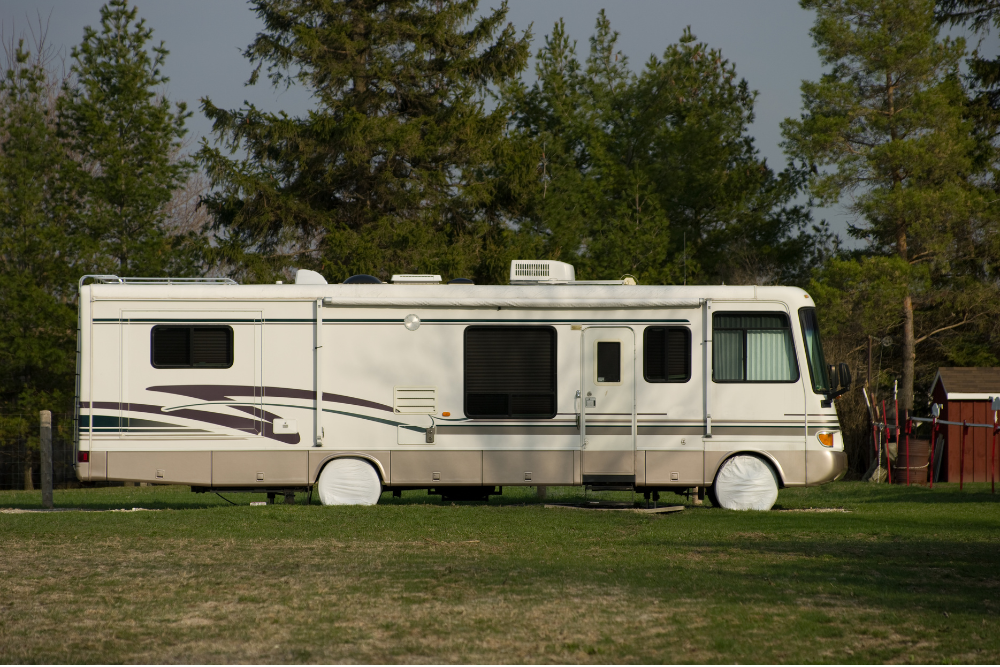
Yes. This is not a one and done procedure. Regardless of how or where you store your RV through the winter months, you should make provisions to monitor your trailer or motorhome, frequently. There are so many bad things that can happen to an RV while it’s in storage that it’s ludicrous to think that you can just winterize it once and leave it for many months without any oversight.
A falling branch could puncture a hole in the roof, vandals or thieves could damage the RV or steal key components, rabbits could chew through the wiring, humidity could lead to a buildup of mold and mildew, or you could get an infestation of mice or insects on the inside of your RV. All of these would be very unpleasant surprises next spring when you get ready to take your trailer out for a new season of camping. Therefore, it’s critical that you frequently monitor your RV while it’s in storage.
Humidity is one of the main problems for RVs when in storage. Two popular products used to control humidity are, DampRid, and Moisture Eliminators. These are absorbent crystals that pull moisture out of the air and converts it to a liquid inside a container. These products can be left unattended, without fear of starting a fire like electric dehumidifiers. The downside is they must be replaced frequently, but even electric dehumidifiers must also have their reservoir emptied often and they are notoriously known to start fires.
The need to monitor and check the RV is one of the main reasons why having your RV stored on your property is much more convenient. Alternatively, if it’s stored in a temperature controlled indoor storage facility the amount of moisture that builds up on the inside of the RV will be reduced, and indoor storage will protect it from many of the other threats to your RV while it’s not in use, like falling limbs, vandals, and rabbits chewing through the wiring.
How Long Can a Camper Stay Winterize?
There is no set length of time that applies to winterization. If you winterize your RV and leave it for a full year in that condition, it would not be a problem, unless you were ignoring your rig and not taking care of the things mentioned above, such as, the buildup of humidity or the presence of invading rodents and insects. If you intend to leave your RV in a winterized state for an extended period of time, it would still be prudent to check on the batteries and tires and also make sure that the roof is in good repair and not leaking.

When Should I Winterize My Camper?
The best time to winterize your RV is before the first freeze of the winter season. However, many RVs are stored as full-time vacation getaways, and as such they are subject to the seasonal constraints of the campground in which they are located. Generally speaking, most RV winterization occurs, either right before or right after Labor Day, which usually defines the end of the camping season. Since many campgrounds close at the end of the Labor Day weekend, if you have a camper or trailer in one of those campgrounds, you’ll probably need to use part of the holiday weekend to winterize your RV.
In regard to monitoring your RV if it’s located in a campground that is closed for the winter, most of these campgrounds do allow RV owners access to their motorhome or trailer for the purpose of maintenance and monitoring its condition. However, if the campground is in a snow zone, it may still be impossible to access the campground and or your RV.
When we were on the upper peninsula of Michigan, we asked a local camp host how much snow they got in the winter, and they reported, “it’s not uncommon to get over 100 inches of snow”. Several people did leave their RVs in this campground year around and the RVs were accessible to the owners, but the real challenge would be getting to and through the campground with that much snow.
What’s the Biggest Threat to My RV in the Wintertime?
As mentioned above, there are many things that can happen to your RV while it’s in storage through the winter months. Probably one of the most threatening situations is damage to the roof from hail, snow, or falling debris. The next most threatening thing that could happen is an accumulation of humidity which causes mold, mildew, and dry rot. Therefore, we can assume that water damage either inside or out is the major threat to an RV in storage.
Additionally, the reason RVers put antifreeze in the water lines is to prevent water damage. But water damage is not the only threat. Vandals and thieves are a very real concern for RVs that are out of sight out of mind. It’s not uncommon for thieves to steal deep cycle batteries or the catalytic converter from a stored motorhome, or jack-up and steal all the tires off a travel trailer. Your camping equipment and recreational gear is also an attractive target for thieves. After all, an electric bike can be worth several thousands of dollars and paddle boards, kayaks, fishing gear, and a gas barbecue are attractive targets for thieves.
Alternatively, invading rodents or insects become more problematic the longer the RV is in storage. Again, this is an argument for storing your RV on your property where you can regularly monitor it.

Should I Cancel My Insurance During the Winter Months?
Again, that depends. Many RV insurance policies allow for the suspension of premiums during the winter months when your RV is stored. However, there are so many things that can happen when it’s in storage, particularly if it’s parked outdoors. Therefore, you should seriously consider the savings benefit against the risk. Large hail could easily damage the entire exterior surface of your RV, and the replacement of that outer shell would be far more expensive than the savings you would get by suspending your insurance premium for a few months.
Damage to the roof, flooding or wind damage, dry rot, theft or vandalism, all of these problems could be a very costly outcome of suspending your insurance coverage. If your RV is stored indoors on your property or in a storage facility it might be prudent to suspend your insurance, but if it’s in a campground or stored outdoors the risk of damage is significantly higher.
Conclusion
RV winterization is not always necessary. But in cold climates if the RV will not be used during the winter months winterization is a vital procedure in protecting it from many different types of damage. It’s not enough to just protect the water lines. RV owners should think about all the things that could happen to their motorhome or trailer when it’s in storage, such as, an invasion of insects or rodents, the collapse of the roof under feet of snow, or the loss of gear and essential components due to theft.
Where and how your RV will be stored is a major consideration of this analysis. And this information will help you determine whether or not it’s prudent to suspend insurance coverage while it’s in storage. Either way, whether it’s stored indoors on your property or in a storage facility, or it’s left in a campground as a vacation getaway, or it’s just parked outdoors on your back 40, you’ll need to consider all the possible threats and then do your best to protect it from all the potential hazards.

Prepping Your RV for Use

RV Tires: 9 Critical Things to Know Before Purchasing

Winter Wonderland: 8 Tips for RVing in Cold Weather