
Family Boating 101: Tips for Safe and Fun when Boating with Kids
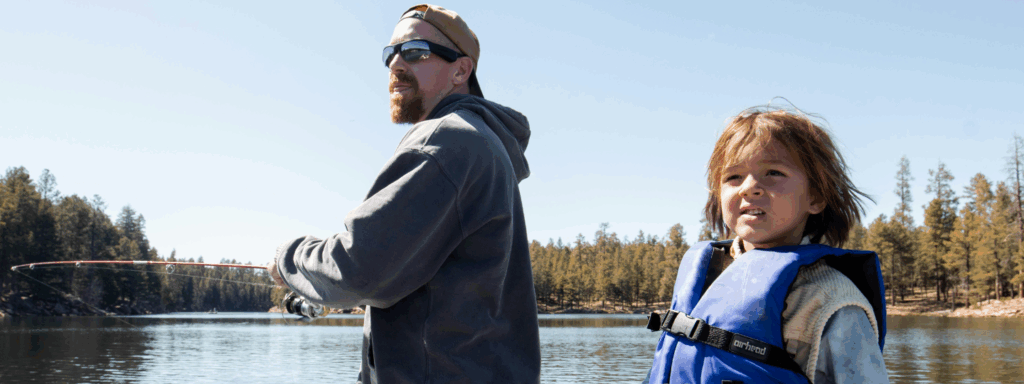

Boating is such a fun thing, and it can be even more amazing when you share it with your family! In fact, I can’t imagine boating without my family in tow. There’s just something so magical about being out on the open water with the people you love most, creating family boating memories that last a lifetime.
That said, boating with kids in tow does come with a unique set of challenges. After all, children can be a bit unpredictable—and because water can be so dangerous, you really do have to take extra steps to ensure your kids are safe.
Here’s what you need to know.
Choose the Right Boat for Your Family
We all know that not all boats are created equal. This is especially true when it comes to family outings. The size and type of boat you choose can impact how well it functions for your family, and the layout can make all the difference in the world.
Pontoon Boats
Pontoon boats are ideal for families because of their stability, open deck, and ample seating. They are perfect for leisurely cruises and offer space for kids to move around safely.
Deck Boats
Deck boats combine speed with seating and storage, making them versatile for both relaxation and activities like tubing or wakeboarding. This makes them good for families who like to be active but still want plenty of room to sit and hang out on the boat.
Bow riders
Lastly, there are bowriders. These offer a sportier experience, but often have less deck space and can be less stable for toddlers or small children. For this reason, we only recommend this type of boat for those with teens.
Other Considerations
For families new to boating, renting a boat for a day can be a great way to test what type of vessel works best for your family before committing to a purchase.
When selecting a boat, you’ll want to ensure it has safety features such as non-slip decking, sturdy rails, and adequate life jacket storage. Finally, a layout that allows adults to keep a clear line of sight on children at all times is absolutely crucial.
Life Jackets: Never Compromise
The most important thing to remember when it comes to boating with kids? Lifejackets are non-negotiable. No matter the child’s age or swimming ability, a Coast Guard-approved life jacket is 100% necessary. Studies show that most boating accidents involving children happen because of drowning, and life jackets are the first line of defense.
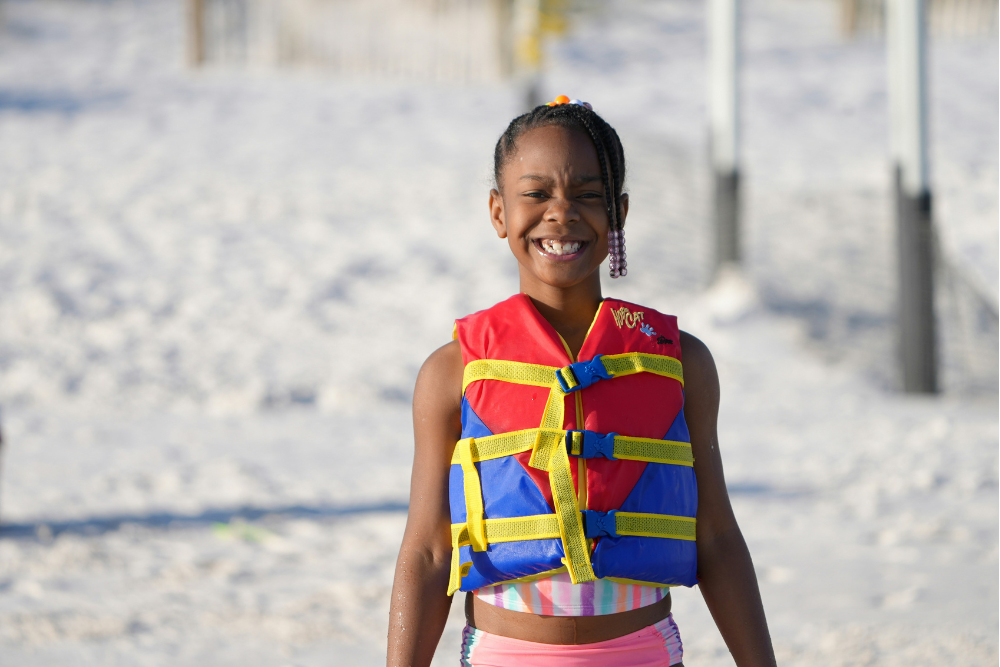
When choosing a life jacket, make sure it fits right. Children should wear life jackets designed specifically for their weight and size. Check for snugness, secure straps, and proper flotation. Consider life jackets with bright colors and reflective tape to make children easily visible. Some designs even come with whistles to signal for help if necessary.
It can help to have your kids try on life jackets at home, prior to taking them out on the water. Make sure they can move their arms and legs freely, and let them play in the jacket to get comfortable with the sensation. Remember that the life jacket must be worn at all times while on the boat, so it is important that the kids are comfortable in them.
Safety Briefing when Family Boating
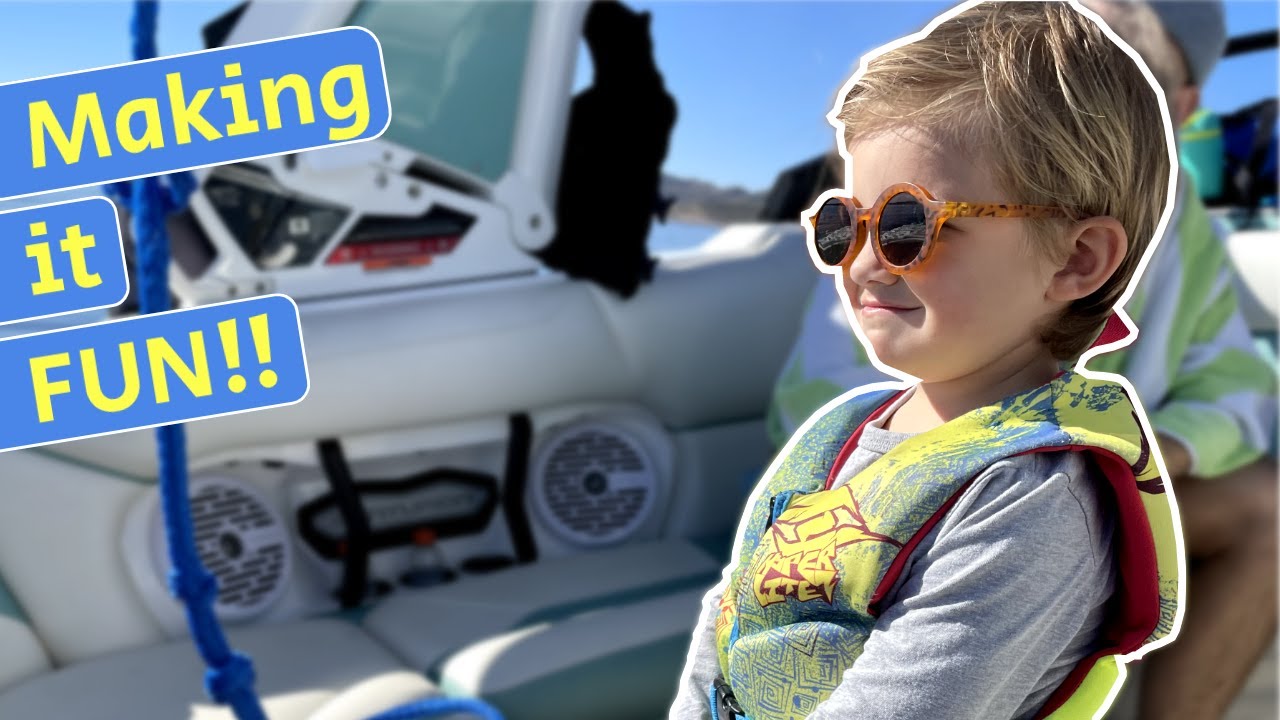
Once the right boat and life jackets are acquired, it’s time to talk to your kids about boat safety. Present the rules before ever boarding the boat, and remind kids of them once on board as well.
These should include the following:
- Stay seated.
- Wear a life jacket.
- Keep hands in the boat.
- Always listen to adults.
Emergency Plan
It’s also important to have emergency plans in place and to communicate those plans with the kids. Show them where safety equipment is located, including fire extinguishers, first aid kits, and throwable flotation devices.
Pro Tip: Making safety fun helps kids remember it. Use games or songs to reinforce safety rules.
Sun Protection and Hydration
Life jackets and basic boating rules are incredibly important, of course, but some people forget to think about sun protection and hydration as well. Because boating exposes you to lots of wind and harsh UV rays, these things are equally crucial for ensuring a safe family boating experience.
Remember to apply sunscreen as soon as you head outside, and reapply it every couple of hours. Hats and sunglasses and lightweight long-sleeved shirts can also offer some sun protection. Carry plenty of water and encourage your kids to sip it regularly throughout the day.
When possible, I like to plan trips in the early morning or late afternoon to avoid the most intense sun hours. Shaded areas—such as beneath bimini tops or pop-up canopies—can be lifesavers for naps and breaks.
Plan Age-Appropriate Activities
Family boating trips don’t have to revolve solely around motoring. Our family likes to plan activities that engage kids based on their age and interests:
- Toddlers: Simple activities like looking at fish, pointing out birds, or floating small, safe toys in the water.
- Elementary Age: Fishing, spotting wildlife, or helping with basic boat tasks under supervision.
- Older Kids and Teens: Swimming, tubing, wakeboarding, or navigation assistance can keep them engaged and invested in the outing.
I’ve found that bringing along familiar toys, snacks, and games can prevent boredom and meltdowns. You can also rotate activities every hour to maintain excitement and engagement.
Teach Kids About Water Safety
As I mentioned earlier, teaching kids about boating safety is definitely a must. That said, understanding water safety is also critical. Teaching children early can prevent accidents and instill a lifelong respect for water:
- Swimming: Life jackets are a must, but that doesn’t mean kids shouldn’t learn to swim too. In fact, I recommend signing your babies up for swim lessons.
- Buddy System: The buddy system should always be used when on, in, or near water. This is especially important when it comes to kids.
- Emergency Signals: You’ll also want to teach kids basic hand signals or whistles to indicate distress. Practicing drills will help ensure they know exactly what to do in an emergency situation.
Afraid your kids won’t retain any of this? I like to turn these kinds of lessons into a game or scavenger hunt to make them interactive. For example, you could have children “find” all the safety equipment or practice throwing a buoy to a target.
Emergency Preparedness
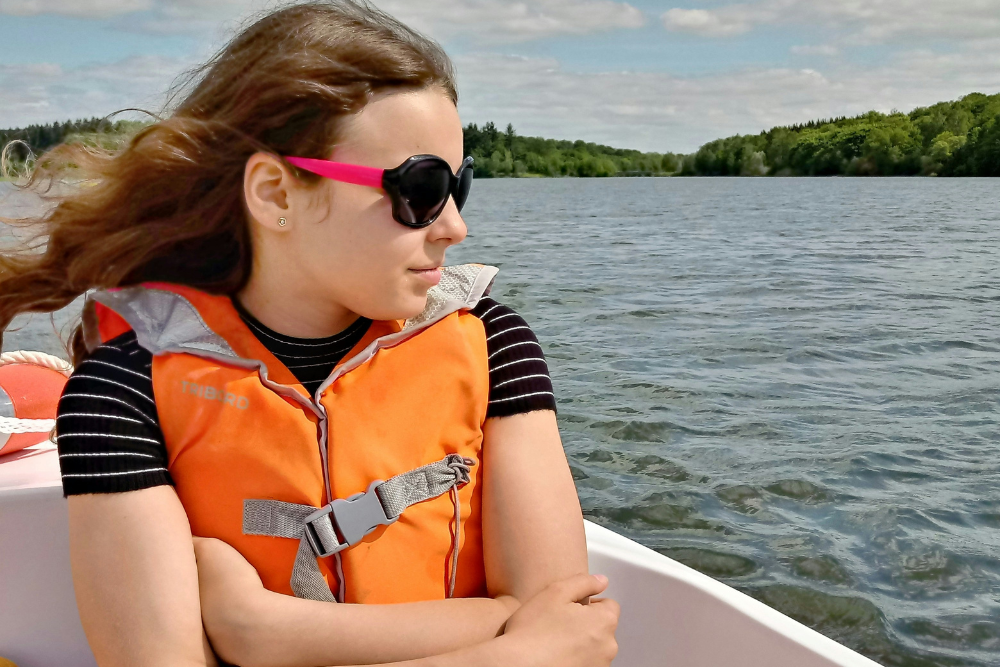
You never know when an emergency might come up. For this reason, it’s important that you’re always prepared to handle emergencies.
Earlier, I mentioned having emergency plans in place. Here are some other things you can do to be prepared:
- First Aid Kit: Stock it with bandages, antiseptic, motion sickness remedies, and any child-specific medications.
- Communication: Always carry a fully charged marine radio or mobile phone in a waterproof case. Let someone on shore know your itinerary.
- Weather Awareness: Check weather forecasts before leaving and watch for sudden changes. Avoid boating in storms or high winds.
- Float Plan: Share your float plan with a trusted person ashore. Include departure and return times, your intended route, and the number of passengers going with you.
Nutrition and Snacks
No, nobody is going to die of hunger while out on the water for a few hours. That said, I know my kids burn energy quickly when playing out on the water. For this reason, I always make sure to pack plenty of snacks.
Fruit slices, granola bars, trail mix, cheese sticks, salami, and crackers all make for good, portable snacks, and a cooler can help keep perishable items cool.
Pro Tip: Try to avoid foods that are messy or slippery. Foods like grapes or sticky candy can create hazards on deck.
Maintain Constant Supervision
Constant supervision is absolutely necessary when kids are onboard. This is true even if your kids are experienced boaters and strong swimmers. Always have an adult in charge of watching the kids, and rotate through the adults to ensure everyone gets a break. It helps a lot to arrange seating and play areas to avoid blind spots.
Incorporate Educational Elements
As a homeschool mom, I like to find educational opportunities in our day-to-day lives, and I have found that boating can be an excellent educational experience for kids.
You can use your time onboard to identify birds, fish, and aquatic plants, using a waterproof field guide for reference. You might also choose to teach older children how to read a compass, understand maps, or recognize navigational markers.
Of course, it’s always important to discuss the importance of protecting waterways, avoiding litter, and respecting wildlife—a conversation we have regularly when spending time in nature.
Frequently Asked Questions:
Have more questions about boating with kids? Here are some of the most commonly asked questions along with our answers.
What is the golden rule of family boating?
The golden rule of boating (or any activity, really) should always be safety first. In the case of boating, this means you prioritize life jackets, supervision, and emergency preparedness, especially when kids are involved.
Where should kids sit on a boat and why?
Kids should always sit in areas where they can be easily seen and have access to handrails or secured seating. They should remain seated as long as the boat is in motion. This prevents falls, allows adults to maintain supervision, and helps keep the boat balanced.
Are there age restrictions for kids on boats?
Age restrictions vary by location and type of vessel. Many regions require children under a certain age to always wear life jackets. That said, children should always wear life jackets when out on the water, no matter their age or swimming ability.
Yes, boating with kids can be a ton of fun and is a great way to make some amazing memories and sneak in a bit of education. Use the tips above and you’ll be able to ensure your kids stay as safe as possible while enjoying this amazing family activity!
Island-Hopping by Boat: Destinations You Can Only Reach By Water

Best Fall Fishing Trips You Can Take by Boat
Fuel Dock Etiquette and Other Unwritten Rules of Summer Boating