
Wise Investments: 9 Tips For Choosing the Right RV for You

An RV is a huge purchase, but if you play your cards right, it can be a great investment in your family’s happiness. I know our RV has allowed us to travel extensively, create memories together, and experience new things as a family. Not only has this made for a happier and more exciting life, it has also helped us grow closer as a family.
All that said, it is important you choose the right RV type in order to ensure you get the most out of your investment. So far we’ve been through four different RVs, so I have a pretty good idea of what I’m looking for in an RV and how to make sure we get the best one for us. Here are some tips to help you navigate the process of choosing the right RV, ensuring you select the perfect model that aligns with your lifestyle, camping preferences, and budget.
From understanding your camping style to evaluating your tow vehicle, these insights will empower you to make an informed and confident RV choice.
Understand Your Camping Style When Choosing An RV
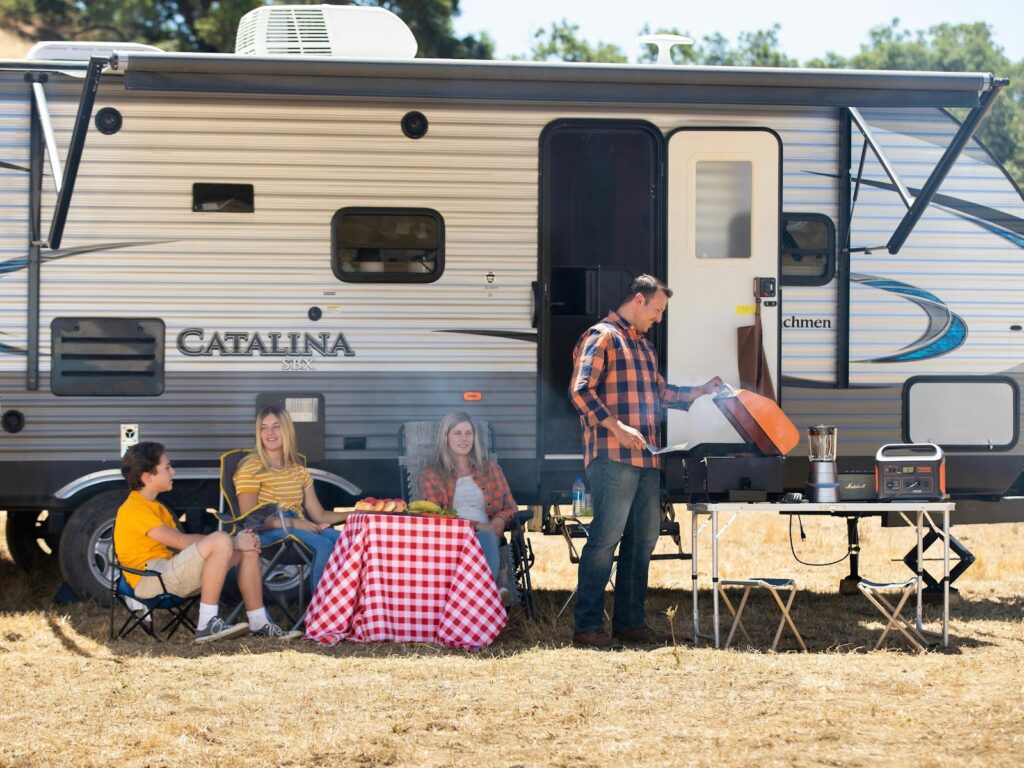
First and foremost, you need to know your camping style. Do you plan to spend most of your time sitting still in a single RV park? Will you hop from campground to campground? Or maybe you prefer to camp off-grid, making the wilderness your home away from home?
All of these camping styles call for different kinds of RVs. Stationary camping is best done in a larger fifth wheel or trailer. Meanwhile, RV park hopping can be done in a trailer or a motorhome. If you hope to do a lot of boondocking, a smaller motorhome, campervan, or truck camper might be more up your alley.
Consider Your Tow Vehicle When Selecting An RV
The vehicle(s) you already own should also be taken into account. If you only own a small car, you won’t be able to tow a trailer unless you invest in a truck.
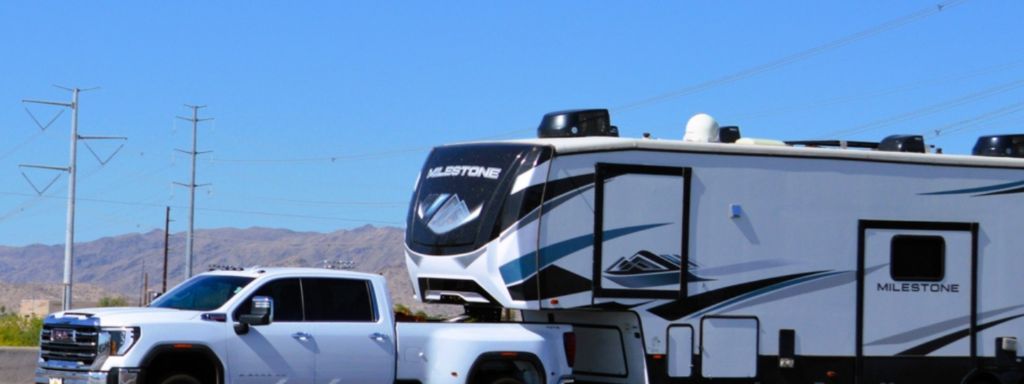
Likewise, if all you own is a giant truck, buying a motorhome and attempting to tow the heavy truck with it might not be in your best interest. Even if you have a truck to tow a trailer with, you will want to make sure you understand the tow capacity of that truck before investing in a trailer.
On the other hand, if you plan to tow a car behind a motorhome, you will want to make sure it is towable, as some cars cannot be flat towed and others can only be towed with four wheels off the ground. Of course, it is also important that any motorhome you purchase is able to handle the weight of your car.
Make Sure You Are Comfortable Driving
Obviously, you will want to be comfortable using whatever rig you buy. For this reason, it’s important to consider what you are comfortable driving. Are you okay driving a large bus-style class A, or would a smaller, more van-like class C feel more comfortable? Is towing something you’re okay trying, and how big are you willing to go?
Think about these kinds of things as you consider which rig is best for you, and make sure you are honest with yourself while also remembering that with enough practice, you will get more comfortable driving whatever style of RV you buy.
Look at Sleeping Arrangements
The layout of your RV must also be considered. And one of the most important aspects of any RV layout? The sleeping arrangements.
Consider who will travel with you regularly and where they will sleep. Make sure the beds in the RV you choose will be large enough for the people using them. You may also want to think about whether you’re willing to set beds up each night or if you want each member of your family to have a permanent dedicated sleeping space.
Make a Must-Have List
Of course, beds aren’t the only thing to look for while shopping for the right RV . You’ll also want to look for things like counter space, a ladder on the back for roof access, how many air conditioners are included, how the bathroom is set up, etc.
I find that it helps to make a list of must-haves and another list of wants and use that to narrow your options. Need a bath tub? Make note of that. Hope to have bedside tables with outlets? Write it down. Having a list helps ensure you get everything you want and need when you do finally settle on the right RV.
Test It Out
If you have no idea what you want in an RV (and really even if you think you do), it can be helpful to shop around and get a feel for what is right for you. Head to an RV show or an RV lot and walk through several different RVs. Try to imagine what it will be like to go through the day-to-day motions in any given RV.
How does it feel to cook at the stove, wash dishes, lay in the bed, use the shower, and even use the toilet? Is the couch cozy? Can your family sit comfortably at the table together? Can you reach all of the cabinets? Where will you store things? Ask yourself these kinds of questions to try to get a feel for which RV is the right RV.

Consider Renting To Find The Right RV
Pretending to go through your day in an RV that’s sitting on a lot can be helpful, but actually using an RV is even more so. This is where renting comes into play. If you’ve narrowed down your options but still aren’t sure which one is ideal, rent one of the models you think is right for a weekend and head to a local campground.
Really use the RV, making sure to cook, clean up, and spend some time hanging out indoors to make sure it works well for you. This is a great way to make absolutely sure the layout you choose works for you before you actually make a purchase.
Stay Within Your RV Budget
One of the most important parts of choosing the right RV? Making sure you stay within your budget. This is actually harder than you think, especially if you have a very clear idea of what you’re looking for. While you’re out shopping, you’re bound to see some RVs that you absolutely adore but aren’t in your price range. It can be tempting to take out a bigger loan in order to have those fancy RVs, but it isn’t worth it.
Taking out a bigger loan means making bigger payments, which will likely mean less money to spend on things like gas for the RV, campground fees, and sightseeing whenever you arrive in a new place. What’s the point of having an RV if you can’t afford to take trips in it?
Note: When setting your budget, it is important to factor in the cost of RV insurance, maintenance, and storage, as these things add to the expense of owning an RV.
Understand RV Depreciation
Last but not least, it is important to understand depreciation and take it into account when choosing an RV. Know that new RVs depreciate significantly as soon as you drive them off the lot, while used RVs don’t see this sharp decline in value after they are bought.
Class C RVs hold their value best, fifth wheels depreciate the quickest, and older travel trailers aren’t likely to lose too much value once they hit about 10–15 years old. Knowing these things will help you choose an RV that serves you well but won’t leave you in a hole if you ever need to sell your rig. Check out our breakdown on the different classes of RVs.
RV Selection Guide: Answers You Need
-
What Should I Think About When Choosing an RV?
When picking an RV, keep these important things in mind:
Camping Style: Decide if you like staying in one place, moving between RV parks, or camping off the grid.
Size and Layout: Think about how many people will travel with you and how much space you need.
Tow Vehicle: Make sure your current vehicle can pull the RV or plan to buy one that can.
Budget: Set a budget that covers the RV price, maintenance, insurance, and other costs.
Comfort and Driving: Choose an RV that you feel comfortable driving and living in.
Resale Value: Consider how well the RV will keep its value if you decide to sell it later.This will help you find an RV that fits your needs and makes your travels enjoyable.
-
How Do I Choose the Right Size RV for My Family?
To find the right RV size, consider these factors:
Number of People: Make sure there are enough beds for everyone traveling.
Living Space: Think about how much kitchen, bathroom, and storage space you need.
Travel Plans: Larger RVs are more comfortable but harder to drive. Choose a size that fits how you plan to travel.
Tow Vehicle: Can your vehicle can handle the size and weight of the RV? -
How Does My Budget Affect My RV Choice?
Your budget is one of the most important factors when choosing an RV, and not just during purchase but also when it comes to maintenance, storage fees and campground fees.
Price: Your primary budget will determine the size, quality, and features of the RV you can buy.
Financing: If you need a loan, look at the terms and interest rates. Many restrict how old an RV the will finance.
Running Costs: Include expenses like fuel, maintenance, insurance, and campground fees.
Resale Value: Higher-quality RVs may keep their value better if you decide to sell later. -
Should I Buy a New RV or a Used One?
Decide between new and used RVs based on what matters most to you:
Buy New if:
– You want the latest features and technology.
– You prefer having a warranty and fewer initial repairs.
– You want to customize your RV.Buy Used if:
– You need a more affordable option.
– You don’t mind doing some maintenance and repairs.
– You want an RV that has already lost some value, which might help with resale later.Choosing the right option depends on your budget, preferences, and how you plan to use your RV. Check out our selection of Privately Owned RVs For Sale.
Begin Your RV Journey
As you can see, there are a number of factors you’ll want to consider when shopping for an RV in order to ensure you select one that will suit the needs of you and your family.
By following these nine essential tips—from understanding your camping style to staying within budget—you can make a well-informed decision and choose an RV that will provide countless memorable adventures for years to come. Start your journey today by evaluating your priorities and exploring the RV options that best align with your lifestyle.


The Win-Win of RV Buying and Selling at a Fair Price

Choosing an RV that’s Perfect for Your Lifestyle in 2026

Why Fall May Be The Best Time To Buy An RV