
Spring Checkup: 7 Tips to get you Ready for the RV Season


If you store your RV during the winter months, there are several critical steps you need to take to get it ready for Spring. And there will be many things you’ll want to take care of that will make that next RV trip a smooth one. Even if you full-time in your RV, there are transitions you will want to make in the way you keep and maintain your rig when you move into the warmer seasons.
Cleaning
The first area you should consider is the clean-up. Several regions on your rig will need personal inspections. Here are a few of what you need to look for and why you need to perform these cleanings.
Interior Spring Cleaning
Think of the interior RV cleaning like a brick-and-mortar ‘spring cleaning’. All your linens should be removed and washed, including curtains and rugs. Anything you might have left in the RV needs to be checked and possibly replaced such as toothbrushes, bathmats, or other water-using items to keep your family safe from mold and mildew. Just like your home, clean out anything that can irritate allergies. Unlike your home, do not use chemicals that you will flush down the tanks. RV tanks are sensitive, and you need to know what you can use to clean with or be sure that rags and paper towels are disposed of away from the RV.
Your Water System
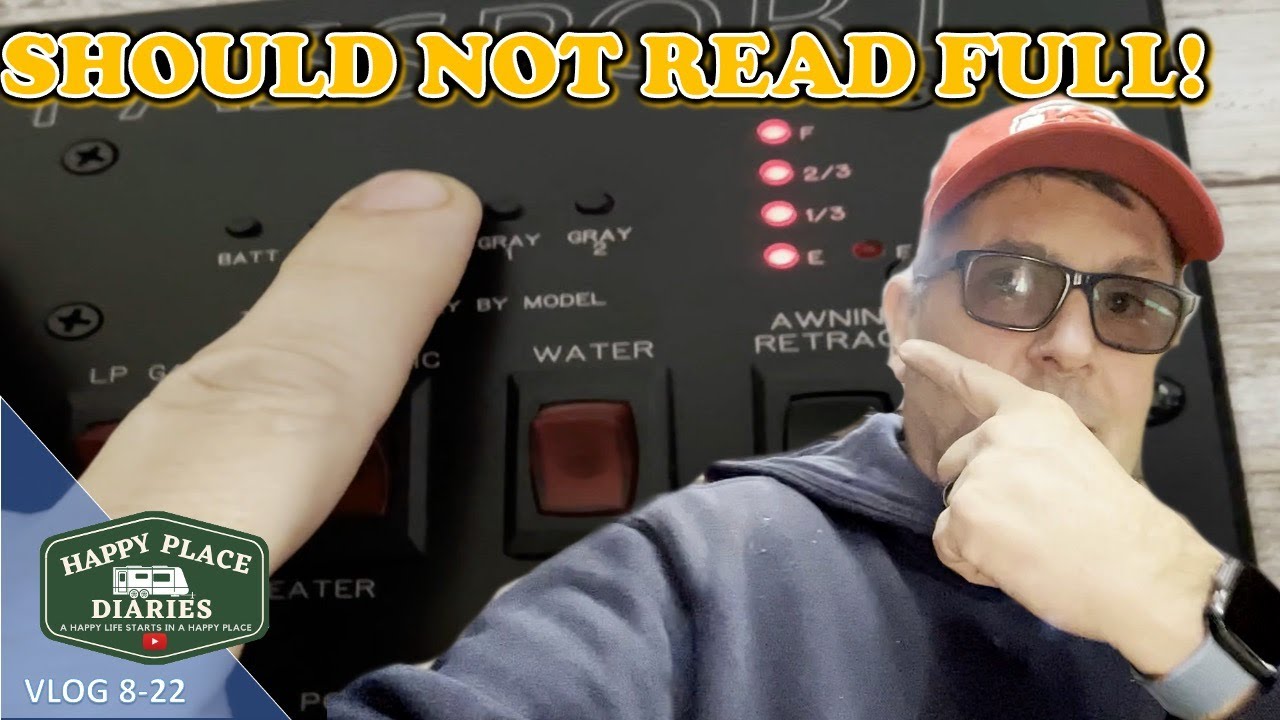
Speaking of what goes in your tanks… if your RV has been sitting in storage for months, you will want to flush out your tanks to remove both winterization chemicals if present, and old water. You’ll want clean fresh water if you plan on drinking it or making ice with it. Change out any water filters that might be part of your system if they weren’t removed as they may also have winterizing chemicals inside.
If you did remove them before storing the rig, now is your chance to replace them with new, clean filters. When did you last replace your water heater’s anode? There are online videos that will help you depending on your tank size, your RV type, your specific appliances, and your water system.
Exterior Cleaning
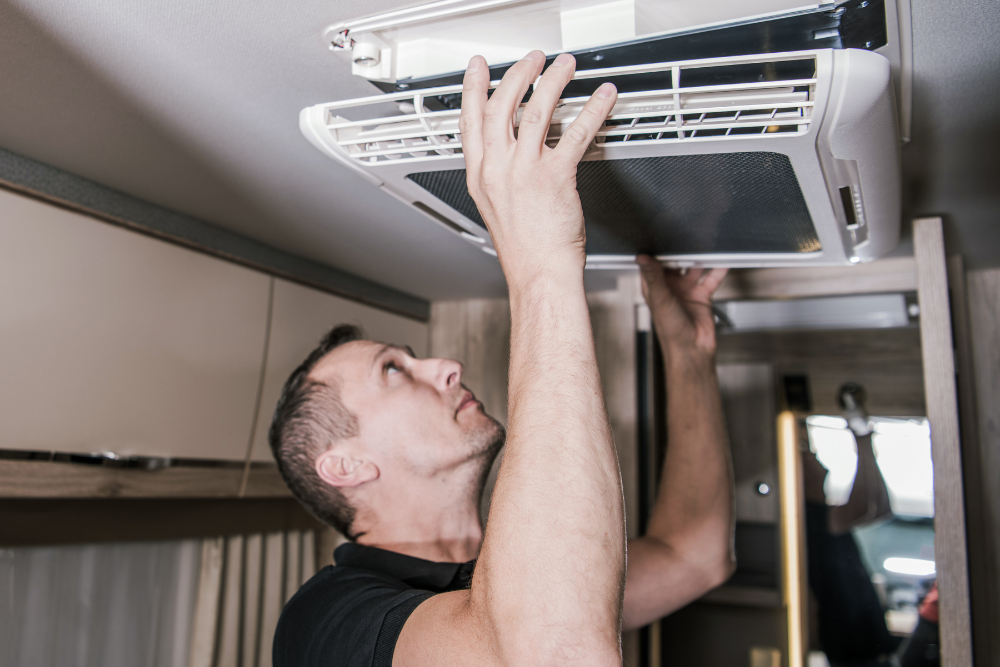
Any dirt on your rig can contribute to damage to your decals or paint job. A good wash will be a good start. If you ensure a good wax job before storage each year the springtime wash will be much easier. Be sure to clean and inspect your RV roof as well. While you are up there is a good time to check your A/C covers and cooling fins as well as fan vents. Cleaning those will help ensure good, clean airflow while using those devices on your spring trip!
When you are cleaning the exterior, also clean your tires with appropriate tire-cleaning solutions. Check for any potential cracks developing anywhere on your rig or your tires that will contribute to greater issues on the road. It’s far easier to do any replacements now instead of on the side of the highway. Now is a good opportunity, too, to ensure your tires have the correct air pressure.
Open and close all windows to make sure there is no ‘sticking’. And to make sure they are sealing correctly when closed. Do the same for bay doors and entrance doors. Check all locks to make sure they are protecting what you want protected.
Maintenance & Testing
Whether you are full-time, seasonal, or a weekender only, some items should be checked on your rig. Just because something is not within sight, does not mean you should skip it during a once-over in the spring.
Batteries & Fluids
Make sure your batteries are charged. Check the connections to the battery terminals to ensure they are tight, as loose battery cables can damage the posts. Test your batteries with a voltmeter to see if they have the optimal output voltage for the brand and type. Remember batteries in tow vehicles, too.
Don’t forget to check the batteries you use inside your RV as well like those in TV or media remotes, clocks, and other battery-powered items. Recharge or replace batteries before your trip and if you have a problem with an item, determine if it is the item, the battery, or both that need to be replaced before you get on the road.
Be sure to check all fluids in your RV, too, such as leveling jack hydraulic fluid or disc brake fluid if your rig has those. Is it due for an oil change and maintenance routine if you have a generator?
Appliances
Turn on any appliances you plan on using on your trip. Refrigerators, microwaves, and air conditioners are popular items but don’t overlook smaller items like air compressors, tools, coffee makers, mixers, etc. If you turn an item on and off often while you RV, you will want to set aside time to check the appliance several times. Sometimes they start up right away and then some items may break down because they haven’t been used in so long. In addition, rats and mice love to chew on wire insulation!
Safety Devices
All your safety devices should be tested – including your carbon monoxide detectors, smoke detectors, and fire extinguishers. You can always take a fire extinguisher to your local fire department, and they will do a test for you. What other safety devices do you have? Do you have shower bars or covers for your stairs to prevent slips and falls? Check your lighting throughout your RV – inside and out. Proper lighting is also an important safety feature.

Repairs & Upgrades
This will probably be the most time-consuming part of your checkup. Why? Because you not only need to inspect the existing resources, but you need time to buy, order or replace them. Sometimes waiting for an item to ship or one that is on backorder requires extra time and patience.
Restocking Supplies
This is going to be a time to examine expiration dates. If you keep items in your rig even while it’s in storage, toss items that have expired. Don’t forget to look over medications as well as food items. Even cleaning items can lose their effectiveness when they sit in a rig for long periods. Ensure your first-aid kit is up to date and replace any items you may have used previously. Do you have enough and correct USB charging cords or plugs for everyone’s phones, tablets, game devices, etc.? Depending on how and where you camp, restocking forgotten items might be difficult so being prepared now can save money and precious vacation time later.
Research
It would help if you kept up with what is new in the RV industry. Sometimes items are no longer effective after a certain period of use. Other technical items may require getting upgraded software or firmware. There also may be recalls or newer versions of an item that far outperform older products in your rig. You want to start your road trip off right with all the most reliable support possible.
General Checklist
Each spring when you start on your clean-up, maintenance, and repairs, you should be updating your checklist. As mentioned under the ‘Research’ section previously, things can change. Some things on your list may no longer be relevant because you have replaced or removed the item from your rig. (Maybe you now have a tankless water heater instead of a regular water heater). Keep up with the changes you make, including the new items you add to your rig or modifications you’ve made so everything is checked each season.
This is not an exhaustive list. Each RV and each RVer has different needs, and your RV lifestyle is unique to you, your traveling companions, and the RV you use. The important thing is to take the time to mentally go through and over your RV – every inch, so you know you are departing in as safe a manner as possible. Enjoy your spring travels!


7 Reasons Why We Love RVing

Getting Ready for Spring Break: Top RV Destinations to Book Now

RV Cooking: No-Oven Meals for Hot Summer Days