
2026 Spring RV Buyer’s Guide: New RV Models Worth Checking Out


This is the best time of the year for RV shoppers! Spring is unfolding, RV vacation plans are in the works, and winter is on its way out. And the best part there are RV floor plans hitting the sales releases, so you have lots of RV models to choose from. An interesting shift is coming in the industry this 2026 season. Some of the significant changes you can look forward to are a move to off-grid RV models, more smart home features, and cottage-style interior designs. Whether you are looking for a new or used RV, the features are there to create or locate the RV of your travel dreams.
Class A vs. Class B vs. Class C (or Fifth Wheel)– Which RV Model is Right for You?
Before you make your selection, it is good to start with a priority list. What features in an RV would be important to your family and your travel features? As a full-time RVer, my priorities included a full-size bath, washer/dryer connections, and a full-size refrigerator. We wanted to live in a ‘home’. You may be going out on the weekend, so your priorities will be different. Create a list of required features, ones that are ‘OK’ to have, and features that would be a bonus but not required.
Class A RV
- Construction – Built on a heavy-duty bus or commercial truck chassis.
- Space – The largest and most luxurious, typically ranging from 26 to 45 feet.
- Features – Often includes king-sized beds, full kitchens, multiple slide-outs, vast “basement” storage, and high-end appliances.
- Considerations – Most expensive ($100k–$600k+), lowest fuel efficiency (6–13 MPG), and can be intimidating to drive or park. If over around 35ft, you will not be able to park inside most national and state campgrounds.

Class B Vans
- Construction – Built directly into a standard cargo van chassis.
- Space – Compact and agile, usually 17 to 24 feet long.
- Features – Essential amenities (wet bath, small kitchenette) packed into a small footprint.
- Considerations: Easiest to drive and park; ideal for solo travelers or couples who prioritize maneuverability and fuel efficiency. Is also great for stealth parking if you need to stop overnight.
Class C RV
- Construction – Built on a cutaway van or truck chassis, easily recognized by the cab-over bunk or storage area.
- Space – Mid-sized (21 to 33+ feet), bridging the gap between Class A and B.
- Features – Offers separate sleeping areas and full bathrooms while remaining more “car-like” to drive than a Class A.
- Considerations – A popular choice for families; generally holds its resale value better than other classes.

Fifth Wheel
- Construction – High-quality units often utilize a rolled steel I-beam frame and a multi-layered floor system to ensure stability and durability with a gooseneck hitch design.
- Space – Mid to large-sized (25 to 45+ feet), also a higher height size of 12-13.5 feet.
- Features – Similar full-size features are usually like a Class A. Evens comes in luxury RV models. Comes in toy hauler options, so it is great for large toys like motorcycles, kayaks, bicycles, and more adventure vehicles.
- Considerations – A popular choice for long-term stays. Not great for off-roading. Because of height and width, you need to be concerned about bridges and overpasses. May be limited to travel on ‘trucker’ routes. Can’t tow a third vehicle in most states
Travel Trailer
- Construction – Built from welded steel or aluminum and serves as the foundation for the floor, walls, and suspension system.
- Space – Mid-sized (20 to 35+ feet)
- Features – Can accommodate families and has reasonably sized appliances. Has a trailer hitch.
- Considerations – A popular choice for families. Average storage size, and some also come with outdoor kitchens. Use the right hitch connections to avoid wobble and maintain stability.

2026 RV Spring Shopping Features
Lots of fun features that will make RV life easier are coming out technology-wise in 2026. Even if you purchase a used RV, these are items you should consider adding if you don’t already have them. Better yet – look for RVs that previous owners have already upgraded to get them at a fraction of the cost.
Connectivity – With the rise of remote work, built-in Wi-Fi boosters and dedicated workspaces (like mid-bunk offices) are becoming high-value features.
Extreme Weather Packages – Check for upgraded insulation, heated tanks, and thermal (dual-pane) windows to extend your camping season into the winter months.
Modern Interior Design – 2026 RV models are moving away from dark, heavy wood toward light-filled layouts, residential-style lighting, and flexible furniture like convertible lounges.
Power Independence – Look for factory-installed lithium battery banks and high-wattage solar panels (standard on many 2026 RV models) to support longer off-grid stays without a generator.
Smart Systems – Prioritize RV models with integrated app-based controls to monitor tank levels, climate, and lighting from your smartphone. A great feature if you plan to be out and about from your rig.
Unique Build Features – Precise-cut cabinetry, versatile twin beds, electric motors with gasoline range extender, second story balcony’s, more side patio decks, and greater towing capacities.
Final RV Purchase Steps
Before finalizing any RV purchase, there are still a few steps to prepare. When you have narrowed it down to a few RV choices, visit the dealerships in person or schedule visits with the owner to walk through the rig.
- Do a Walk Through – I toured a rig and couldn’t reach a single cabinet in the kitchen. I would have needed a footstool the entire time! If you have adventure toys, you want to make sure you can haul them. Is there really comfortable sleeping and storage space for your crew?
- Check Insurance – See what tailored insurance quotes you can get. Note that for some policies, you will need a separate rider for RV roof coverage and for off-roading adventures.
- RV Inspections – Whether you purchase new or used – GET AN INSPECTION. Even brand-new delivered RVs come with issues. It is better not to be responsible for them or have to pay for the repairs immediately after purchase, without even a discount.
Frequently Asked Questions:
What is the difference between a Class A, Class B, and Class C RV?
Choosing the right RV depends on your travel group size, driving comfort, and required features. Class A’s can be your luxury homes on wheels. Class B’s are great stealth camper vans. And, Class Cs are your balanced hybrids with a little more space than Class Bs, but not quite the beasts of a Class A.
What should I look for when buying an RV in 2026?
The 2026 market focuses on tech and sustainability. You either need to look for existing features in the RV, or buy used – you need to ensure you can upgrade or add these features. Standards you should look for are lithium battery banks, high-wattage solar panels, app-based control systems, connectivity support, and extreme weather packages.
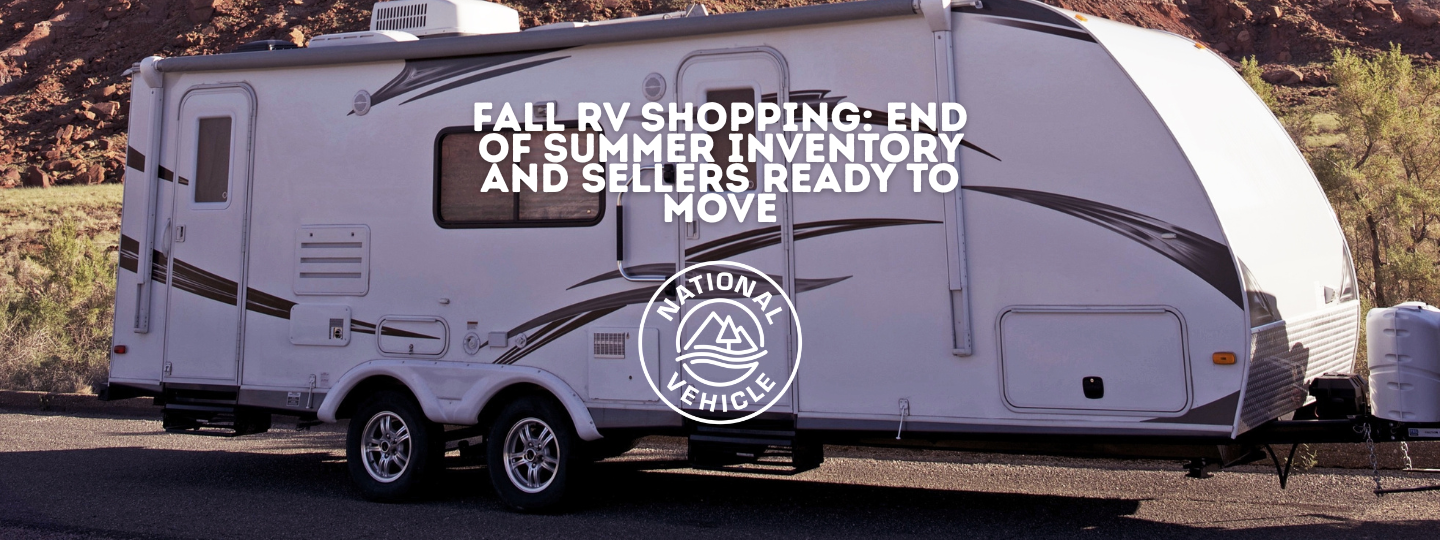
Fall RV Shopping: End of Summer Inventory and Sellers Ready to Move

Your 2025 RV Buying Guide: How to Pick the Right RV for you

Choosing an RV that’s Perfect for Your Lifestyle in 2026