
How to Vet Potential Boat Buyers and Avoid Boating Scams


Whether you are selling your boat to purchase an upgraded model or because the off-season is closing in, there are a few steps you can take to vet potential buyers and to weed out any potential boating scams and scam artists. Knowing the lines and tricks potential scammers will throw at you will stop the fraud in its tracks.
How to Vet Potential Boat Buyers
There are a few key steps to remember when dealing with strangers who are interested in purchasing your boat. The first thing to keep in mind is that not everyone is actually looking for a purchase. Instead, some folks are looking for new victims of their scams. While scam artists are in the minority, keeping an eye out for scammers is an important part of any sales process. Here are some optimum pieces of advice for staying safe from any potential scammers.
Evaluate the Buyer’s Level of Seriousness
Separate the ‘window shoppers’ from the buyers ready, willing, and able to participate in completing the sale in a timely and effortless manner.
While potential buyers might initially respond to the ad via email, text message, or private messages through social media sites, before meeting, be sure to have a conversation on the phone. A video chat would even be more reliable. Many scammers won’t talk on the phone and will insist on correspondence in written form only. If they won’t take a phone call from you, this should be considered a red flag.
A buyer ready to seal the deal will have relevant questions to ask that pertain to how the boat was stored and maintained, the history, engine hours and condition, and maintenance records. Once you are comfortable with the potential buyer’s motives, set up a time to show the boat. For extra caution, there’s no shame in meeting at a public place, away from your private residence.
Serious, legitimate buyers would want to meet in person to see the boat and review the proper paperwork. If someone is trying to purchase the boat sight unseen, this could point to a scam. If the buyer is out of state, they could arrange for a friend to meet you and evaluate the vessel.
Trust your instincts. If anything seems off or questionable, or if an offer seems ‘too good to be true’, you have the right to cancel any current and future talks with the potential buyer.
Types of Boating Scams to Watch for
Payment scams are the most common and are done in a variety of ways. Here’s a brief look at a few examples.
Fake PayPal or wire transfer confirmation email
This scam happens when a buyer sends a text or email message that claims a payment has been sent for an amount more than the agreed sales price. The buyer also requests that the seller refund the amount overpaid. Usually, this scam costs the seller the original sales price plus any overage funds the seller returns. Never click links from a buyer; instead, go directly to your account to log in and verify funds.
Upfront Fee Requests
This scam occurs when a potential buyer or their ‘agent’ requests money ahead of the sale for insurance, shipping, or other costs prior to the closing of the sale. A legitimate sale will not leave the seller responsible for any of these costs. They belong to the buyer and a seller should never agree to pay for the expenses.
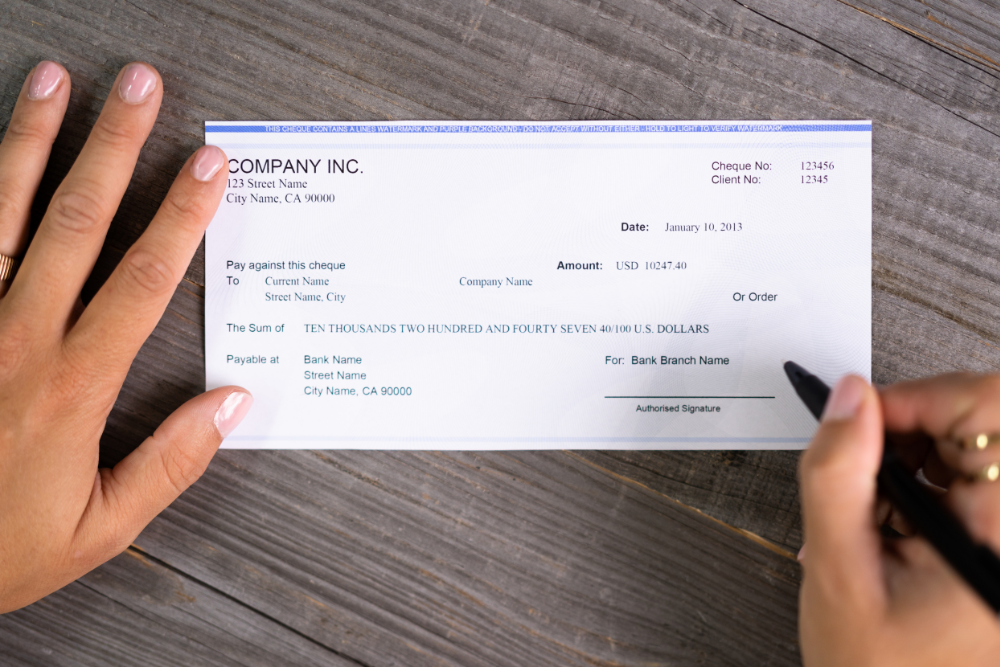
Fake Cashier’s Check
This scam has a few varieties, with or without the overpayment angle. The ‘buyer’ sends a cashier’s check that can be counterfeit, overdrawing your bank account if it is deposited. To take it one step further, the ‘overpayment scam’ can be easily tied to the worthless cashier’s check. If a buyer gives or sends a payment for more than the agreed-upon sales price, it is likely a scam, and you should never deposit or cash it. Cancel the sale and either give the check back to the buyer, or if you want to take it a step further, you can make a police report and provide all the information you’ve collected along with the check.
Phony Escrow Services
If a buyer insists on a specific escrow service, this should be a red flag. Verify the buyer’s preferred escrow service is licensed and reputable. Never click a link from the buyer; instead, look it up through an Internet search. To prevent this, give the seller your preferred escrow service and don’t be talked out of your preference. Hold tight with your decision, and if the potential buyer walks away, you may have dodged a bullet.
Again, always use your best judgment, and if something doesn’t feel right in any part of the sales process, it likely isn’t. Call off current and future interactions when your gut tells you something is wrong. A reputable buyer won’t have a problem with using your chosen escrow service, providing information about his or her identity, or meeting at a bank for a cash transaction.
While selling a boat is something we all want finalized quickly, keep in mind that the right buyer might be slow to the sales table. Take your time and don’t rush into anything, especially if it sounds too good to be true. Follow these tips for a safe and secure sales process.
Frequently Asked Questions:
How to Avoid Boating Scams?
· Know the value of your boat and don’t settle for a lesser amount. Get an online valuation to have a fair and accurate sales price before the negotiations begin.
· If a potential buyer suggests a higher sales price than you have set, chances are it is an overpayment scam. This is a good example of when to walk away from the deal.
· Insist on legit payments such as a cash transfer at a bank, or a secure, verified escrow service that you trust. Never accept transfers through apps like Zelle or Venmo, money orders, or personal checks
· Wait for the money to clear before handing the boat over
· Never accept any form of payment that is more than the selling price. This is a common scam where a buyer purposefully overpays and asks for the difference back. Typically, the original payment is fraudulent and the seller is out the sales money, plus the overage amount that is sent back to the buyer.
What are Some More Tips to Avoid Boating Scams?
· Communicate via phone calls, and not solely in messages. While emailing or texting, be watchful of poor or broken grammar. Analyze their email addresses for spam-like wording.
· Consider the interest level of a potential buyer; were questions asked?
· Reject any offers that are ‘sight unseen’ purchase requests. A serious buyer would want to inspect the vessel. A red flag also belongs to the potential buyer who is unwilling to meet in person.
· Verify the buyer’s identity. Ask to see their license and conduct an Internet search for their online reputation. Check for any previous fraud interactions.
· Be careful with insisted payments on unfamiliar escrow, buyers who are pushy and try to pressure you into agreeing to their buying terms.
· Stay away from cashier’s checks or wire transfers, as these are common methods of payment that scammers prefer to use. Cash is the best and safest when meeting at the bank to finalize the deal and collect the payment.
· Take your time and don’t rush to sell. Listen to your gut and walk away from the deal if anything ‘feels off’.

Boat Valuation: What Your Boat Is Really Worth

Maintenance Tips That Increase Your Boat’s Resale Value
Serious Boat Buyers Are Still Actively Shopping in June