
Full-Time RVing: What You Need to Know Before Hitting the Road

Full-time RVing is a dream that many people have, and really, it is pretty awesome. That said, it isn’t actually all sunshine and rainbows, and there are a lot of things to consider before you dive in.
In this article I will help you understand the many logistics that go into living the full-time RV lifestyle, so you can determine whether it’s the right choice for you.
Financial Considerations
The first thing I encourage you to think about? Finances. This is a big roadblock for many people looking to get on the road full-time, and it is definitely one you will want to get around before you jump into full-time RVing.

Income
Unless you’re already retired, it’s very important that you have a source of income while traveling. Luckily, there are several options when it comes to working on the road.
Here are some of the most popular picks:
- Remote work (look for remote jobs on Indeed.com)
- Work camping
- Seasonal work (amusement parks, resort towns, farm work)
- Gig work
- Travel nursing
- Pipeline work or similar
Get creative, consider your strengths and weaknesses, and be willing to pick up new skills, and you shouldn’t have any trouble finding work as you travel. Just make sure you plan ahead, always making sure you have a job lined up before the current one ends. It’s also a good idea to have a solid savings account to fill in any gaps.
Budgeting
Making money is important, but tracking it is also key. It’s possible to live well on very little money when RVing full-time, but you have to budget carefully in order to make that happen.
Create a budget and stick to it. Make sure to include fuel, campground fees, insurance, maintenance, groceries, sightseeing, and of course, a monthly contribution to your emergency fund.
Legal and Logistical Considerations
While living in an RV is totally legal, there are some steps you’ll need to do in order to ensure everything is squared away. Take care of these things before hitting the road and you should be good to go:
- Domicile and Mail Forwarding: Choose a state for residency based on tax benefits and mail forwarding services. I recommend Escapees for this.
- Healthcare: Have a plan for medical insurance and access to healthcare providers while traveling. Many RVers use Healthcare.gov to obtain subsidized health insurance.
- Driver’s License and Registration: Ensure your license and vehicle registration comply with your chosen domicile state.
Educating Children on the Road
As a family with kids, we also have to think about our childrens’ education as we travel. We knew we wanted to homeschool before we ever got on the road, but once we did hit the road, we realized traveling could really enhance our homeschooling experience. That said, roadschooling also comes with a unique set of challenges.
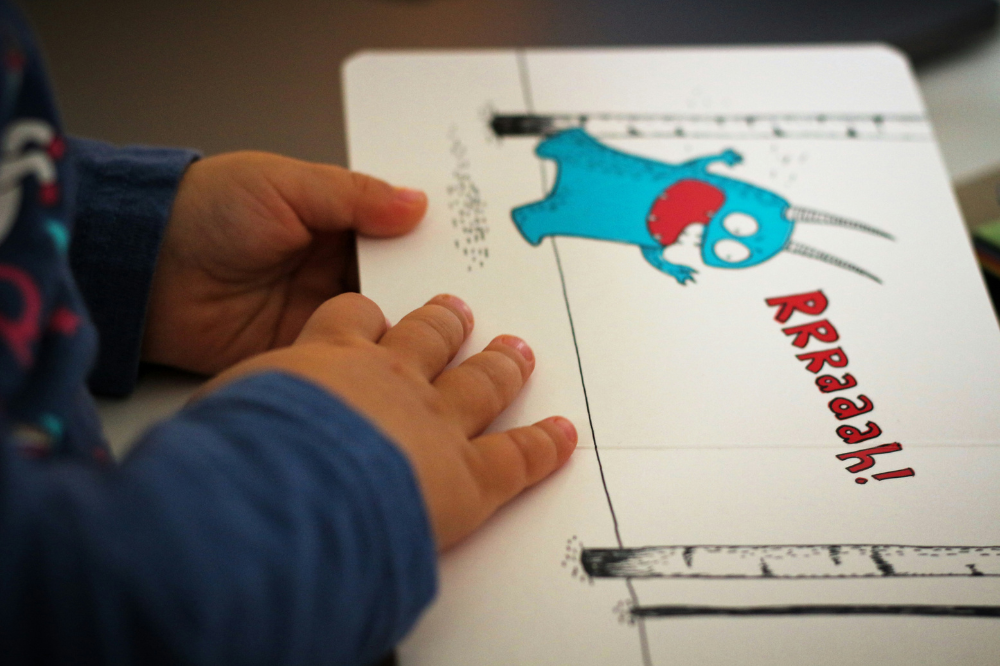
Here are some things to consider before jumping into roadschooling:
Curriculum Choices
First, you’ll need to decide what curriculum to use. Many RVing families use online options such as Time 4 Learning and Khan Academy in order to save space. That said, some children benefit from having physical materials to work with. You’ll have to take your own space and kids into consideration to decide what’s best for you.
Hands-On Learning
Of course, you’ll want to take advantage of your traveling lifestyle as well. Traveling provides access to historical landmarks, national parks, museums, and cultural experiences that enhance traditional learning. Make a point of visiting these places and add to the experiences by reading relevant materials or watching relevant educational videos before or after each visit.
Some roadschoolers even go so far as to tie their field trips into their curriculum or plan their travels around what they’ll be studying.
Socialization
It is obviously important that kids have a chance to interact with their peers. Fortunately, this has never been a problem for us.
We simply make a point of engaging with other traveling families, setting up group field trips, joining family-oriented rallies, and planning caravans as we go. We’ve made lots of lifelong friends this way and our kids have no problem with socialization.
Meeting State Standards
You will of course have to follow the homeschool laws in your domicile state. Some families choose their domicile state based on the homeschool laws. Texas is popular with roadschoolers for this reason.
No matter which domicile state you choose, make sure to maintain accurate records of lessons, assignments, and progress to comply with state education requirements.
Choosing the Right RV
From what I’ve seen, the RV you choose can make or break your full-time RVing experience. Make sure you choose wisely, thinking about the following factors as you make your decision:
- Type: Do you prefer a motorhome, a fifth wheel, a travel trailer, or a van conversion? What will work best with your travel style?
- Size and Layout: Determine how much space you need and how it should be set up. Do you need dedicated sleeping spaces for everyone? What about a slide-out? Is one bathroom enough?
- Amenities: Consider whether you need features like tank heaters, motorized steps, auto leveling, solar power, or all-season insulation. The more amenities you want, the more you’re going to pay.
- Budget: Factor in not just the purchase price but also maintenance, insurance, fuel, and campground fees. Buy well within your means and consider buying used to avoid significant depreciation.
Downsizing and Storage
Once you have the perfect rig, you’ll need to start moving in. Sometimes this is easier said than done. You can only fit so much into an RV, and that means you’re probably going to have to do a significant amount of downsizing. This might sound scary, but in my opinion it’s also very freeing.
Prioritize Essentials
Keep only what you need and use regularly, getting rid of any doubles you may come across. Limit kids to the toys that will fit into a designated toy bin. Create capsule wardrobes that allow you to mix and match easily without holding onto lots of clothes.
Utilize Storage Solutions
Use multi-purpose items whenever possible. Collapsible furniture or furniture that offers hidden storage space can help make the most of the space you have. Try to find vertical storage, wall-mounted storage solutions, and other ways to maximize space.
Consider Off-Site Storage
If you have sentimental or seasonal items, or if you only plan to be on the road for a short period of time and want to store furniture, renting a small storage unit may be a good option. I’ve also heard of people taking photos of sentimental items before getting rid of them to avoid paying for storage.
Life on the Road
You’ve figured out your income and budget, started homeschooling, bought the right rig, and moved in. The only thing left to do now is start living the RV life you’ve been dreaming of! Here are some tips to help you do that.
Campsite Selection
For my family, it is very important that we find free or super affordable camping everywhere we roam. Without that, we wouldn’t be able to make this lifestyle work.
Whether you need an affordable campsite or have other criteria you need your campsite to meet, it is important that you always research spots using websites like Campendium or RV Life Campgrounds before you decide on a destination. I also recommend keeping a small collection of camping memberships such as Thousand Trails and Boondockers Welcome to help keep things affordable.
Connectivity
We need to have the internet for work and school. It’s a non-negotiable. Up until a couple of years ago, this meant using a Verizon hotspot and never traveling anywhere that didn’t have Verizon service. That was fine, but when we got Starlink it opened up a whole new world of possibilities. Now we can park and stay connected anywhere that allows us to see the sky, even in the most remote locations.
All of that to say, if staying connected is a want, a hotspot or two might do the trick just fine. If it’s a need, I recommend Starlink with a single hotspot as a backup.
Safety and Maintenance
RV maintenance is very, very important. You’ll want to regularly inspect your RV’s tires, brakes, plumbing, and electrical systems and keep an eye out for leaks. Always have a tool kit and plenty of sealant on hand for repairs, and make sure to reseal your rig once a year whether or not you think it needs it.
It’s also important to carry an emergency kit, prepare for breakdowns, and have a good roadside assistance plan to help when things go wrong.

Community and Lifestyle
Finally, I want to touch briefly on finding a community on the road. So much of the time, people stop traveling because they feel alone, but this doesn’t have to be the case!
- Join RV Groups: Online forums, social media groups, and in-person meetups can provide support and friendship.
- Attend Gatherings: Events like RV rallies and meetups can offer networking and learning opportunities.
Go out of your way to introduce yourself to people, and when you click with someone, get their contact information and make plans to meet up again down the road.
There you have it, everything you need to know before hitting the road full time. If you got through this article and still think full-time RVing is for you, you’re probably right. Go through these steps and get on the road as soon as you can!
5 Tips to Organize your RV
RV Generator Maintenance: How to Keep Your Power Running Smoothly

Beginner’s Guide To RVing – 10 Things to Know