
Full-Time RV Life With Kids: How Families Actually Make it Work


We have lived and traveled in our RV as a family for a full decade. In that amount of time, we’ve met countless families who are doing the same thing as us: bucking the norm and choosing to live the RV life with their kids in tow. But how do we all go about it? How do we balance chores, school, work, and travel? How do we fit everyone comfortably into such a small space?
The short answer is: intentional planning, strong routines, flexible schooling, and a willingness to trade space for experiences. But really, there’s more to it than that.
Why Families Choose the RV Life
Many families choose this lifestyle to prioritize time together. That and a desire to travel while our kids were still young were our main reasons for hitting the road full time. Some other families are motivated by remote work flexibility, and some by major life events that shift priorities.
The biggest reasons include:
- More time together as a family unit
- Freedom to travel and explore the country
- Ability to customize education
- Escape from high housing costs or rigid schedules
- Desire for simpler, experience-driven living
For us, the lifestyle has never been about avoiding “real life”—it’s about finding what really matters and focusing on that.
Choosing the Right RV Setup for Kids
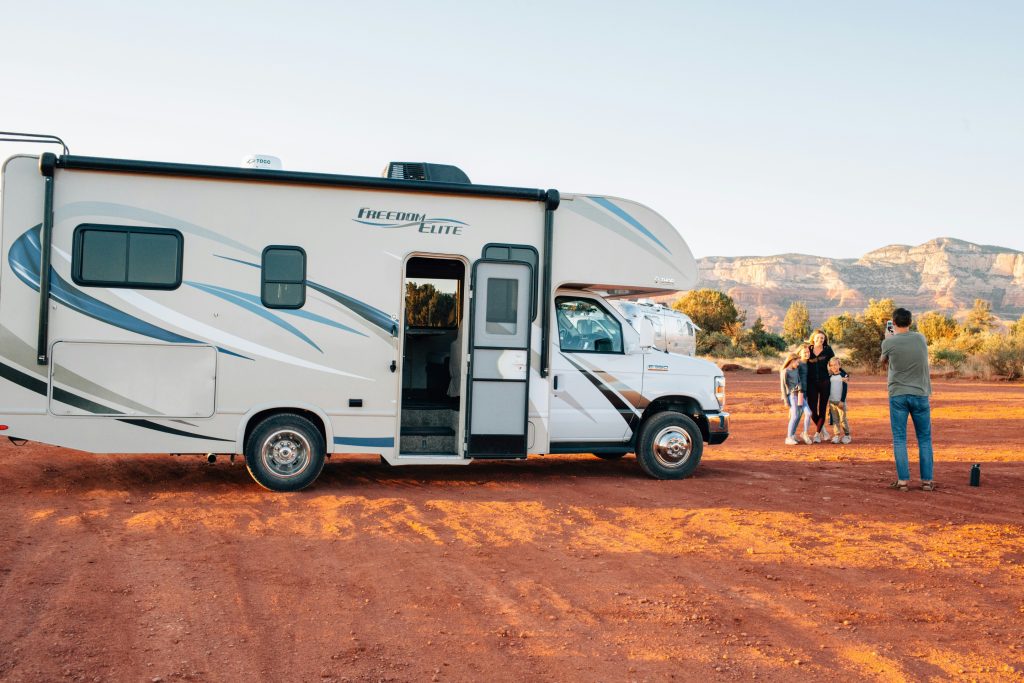
The thing that makes the biggest difference for most families? Their RV setup. Your RV floorplan can make or break your RV experience, so make sure you carefully consider what you need.
Priorities for us (and for many other RV families) include:
- A bunkhouse, or at least a permanent bed for every member of the family
- Plenty of storage for clothing, toys, and school supplies
- Durable furniture and easy-to-clean surfaces
Space is the most obvious challenge. If it were just my husband and myself, we could easily live in a van, but kids need more room than that. They need space to play and learn. That said, this doesn’t mean you should just go out and buy the biggest RV available. A very large RV can be difficult to drive and park. Balance is the goal.
Homeschooling and “Roadschooling”
I always knew I wanted to homeschool my kids, so jumping into roadschooling wasn’t an issue. I absolutely love the flexibility offered by homeschooling, and the ability to use our travels as a part of our kids’ education has been amazing.
Instead of learning being confined to a classroom, education is place-based and experiential for our family. We’ve visited all kinds of incredible historic sites, museums, and national parks, and every single one has presented amazing opportunities for learning. Often, we expand upon what we learned at these sites with books and videos. My favorite thing is whenever information we pick up at one site ties into things learned at another site.
Other things kids learn while roadschooling include:
- Navigation and geography through constant travel
- Budget awareness through real-world constraints
- Adaptability when plans change due to weather or repairs
- Social skills from meeting diverse people in different places
All that said, homeschooling on the road does require some level of discipline. It’s easy to push schoolwork aside, choosing adventures over book learning—and while this is fine to some extent, the book work is also important, especially for older kids. The key? Routine.
Daily Structure: Why Routine Still Matters
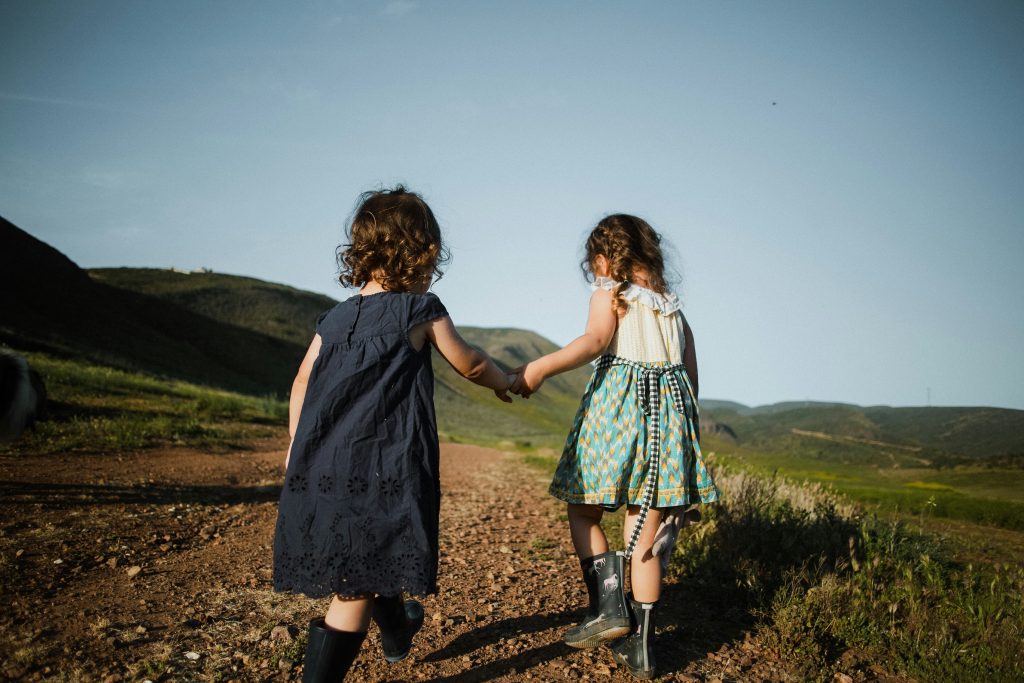
Yes, routine. It might seem odd because so much of RV life revolves around flexibility, but routine is actually super important for successful RV living with kids. We have routines for chores, our online work, school work, and family outings.
This structure helps our family feel more grounded, something that is super important because our environment changes so frequently. It also helps ensure everything that needs to get done gets done while still allowing us time to explore the places we visit.
Maintaining this routine does mean we have to stay in each location a bit longer in order to see and do everything while staying on top of our everyday life tasks, but we’ve found the slower pace is actually much more sustainable anyway.
The Reality of Living in Close Quarters
We moved into our RV from a very small house where my husband and I both worked from home already (and this was in 2015, before it was widely acceptable to do that sort of thing). Yes, moving into the RV did mean we were even closer together, but it actually wasn’t a huge change for us in that respect. That said, it is a big change for many families and it does take some getting used to.
Families have to learn quick conflict resolution. They often need to schedule to create private time, and in my family we tend to head outside when we need a break from the close quarters.
We have found that we are closer as a family while living in our RV, even if things do feel chaotic at times.
Making Friends on the Road
A common concern is whether children will struggle socially. This isn’t something we’ve ever struggled with. In fact, I’d go so far as to say our kids have a bigger and more diverse friend group than many other kids out there.
Campgrounds and RV parks are full of kids, meaning plenty of potential playmates. As far as long-term friendships go, we cover that base by attending RV rallies with long-time friends, planning meetups with other traveling families we click with, and even caravanning for weeks at a time with some of our closest friends.
It is important to note however that having a rich social life while traveling full-time does take some effort on your part. For example:
- We often plan stops around known RV-friendly communities.
- Our kids participate in campground activities and group outings as often as possible.
- We make a point of staying connected digitally with our travel buddies.
Work, Income, and Budgeting on the Road
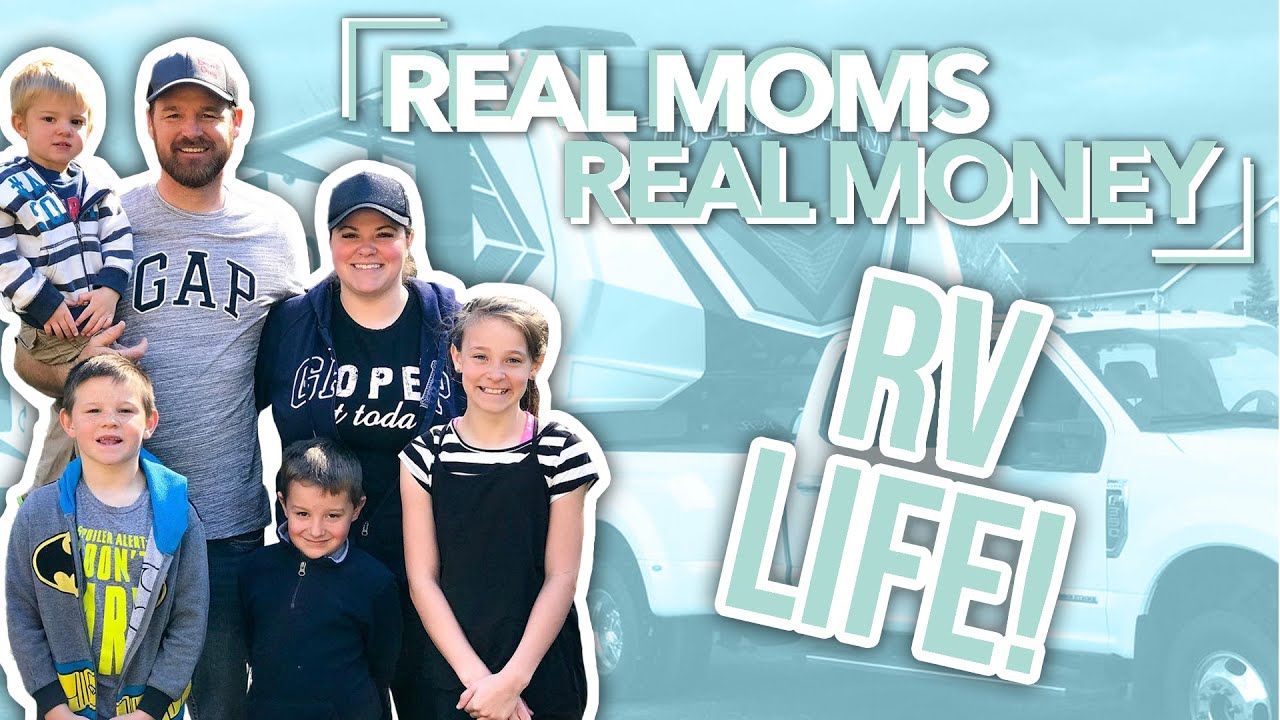
For us, RVing full-time has been cheaper than living in a house. That said, full-time RV living is not automatically cheaper than traditional housing. Instead, it gives you flexibility. You can choose to make this lifestyle cost as much or as little as you like.
No matter how you budget, you will have to make some amount of money. I do this by writing and teaching online dance lessons. Other ideas include:
- Remote jobs (tech, writing, design, customer service)
- Content creation or social media
- Seasonal or location-based work
- Freelance or contract roles
Some of the key expenses you’ll want to budget for include:
- Fuel (often one of the largest costs)
- Campsite fees
- Maintenance and repairs
- Insurance
- Food and supplies
We use campground memberships such as Thousand Trails and Boondockers Welcome to reduce camping costs. We also travel slowly and plan routes strategically to minimize fuel usage, and we do a lot of our own maintenance and repairs.
The Trade-Offs
I adore RV life. That said, there are definitely some trade-offs that you will need to accept in order to live this lifestyle. You’ll have less privacy and less space for stuff. It is more difficult (though not impossible) for kids to be involved in sports or other traditional extra-curricular activities. And, you will have to stay on top of maintenance and travel planning all the time.
All that said, you will gain some things from living this lifestyle as well. We have found a stronger family bond that comes with more time spent together. We also very much enjoy the slower pace of life and increased time outdoors, and have found our stress levels are generally much lower.
Frequently Asked Questions
Is full-time RV living with kids realistic?
Yes, full-time RVing with kids is totally possible. Families do it all the time. The key is to head in knowing it won’t be an endless vacation. You’ll need routines and structures, and careful travel planning is important. If you are willing to go with the flow and trade physical possessions for some awesome adventures and memories, this might just be the lifestyle for you.
How do RV families handle education on the road?
Most families who travel full-time homeschool on the road. This is often referred to as “roadschooling.” Roadschooling can look different from one family to the next.
Some families use only traditional textbooks, while others use online curriculum, and still others don’t use any curriculum at all and instead use their travels (along with books, videos, and projects) to educate their kids. Our family uses a combination of all of these things. It’s up to you to decide what works for your family.
How do you manage clutter in an RV?
Clutter is a never ending battle when living in an RV with kids. I recommend the following strategies:
One-in, one-out rule: If something new comes in, something else must go out.
Multi-use items: Furniture and gear that serve more than one purpose.
Frequent decluttering: Regularly donating or discarding unused items.
Designated storage zones: Everything has a specific, labeled place.
Minimalism mindset: Keeping only what is truly needed or frequently used.
Really, I have found that minimalism has become second nature over time. I automatically say no to unnecessary purchases, and decluttering every few weeks is just a part of regular life.
Living in our RV full-time has been life changing for my family. I feel like we all have a better sense for what is truly important in life and I am so thankful for all of the amazing things we have gotten to see and do. I would recommend RVing to any family with a sense of adventure and I hope this article inspires you to give it a try!

Top 10 RV Budgeting Hacks

National Parks: A Guide to America’s National Wonders
RVing Basics – Avoid Costly Mistakes