
Don’t Let Summer Fry Your RV: 5 Must-Do RV Electrical System Checks
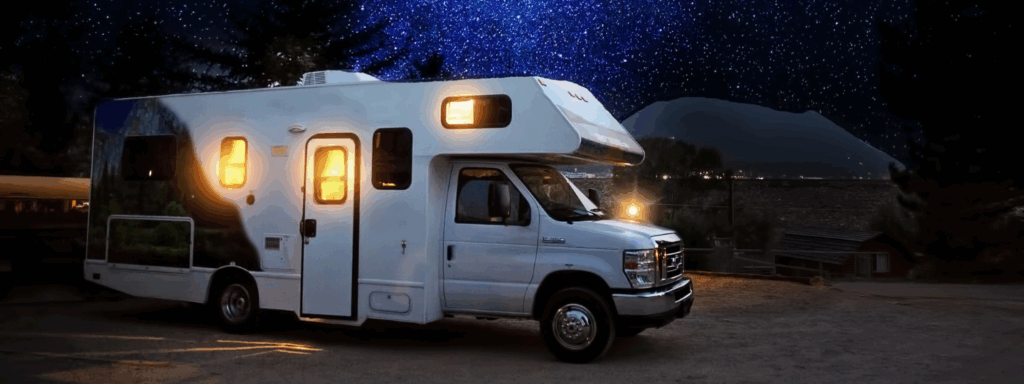

Summer is the most popular time for RVers to get away and experience adventures. But this is also the time when most RVers prefer air conditioners, refrigerators, and ice. With hotter temperatures, we are going to be using more electricity. Whether your electricity is included in your stay or not, there are many components to the RV electrical system you need to check before you start your trip.
Skipping any of these maintenance items could lead not only to costly repairs but also leave you in dangerous situations like an RV fire, breakdowns on the side of the road. Here are some things you should do before you depart so you will be safe, secure, and cool.
Check Your Batteries
One of the most critical power sources for your RV is your battery or battery system. You will be using them to power appliances, lights, fans, and more. And hot weather is not your friend in battery performance.
- Battery Type. The first thing you need to know is what type of battery you are working with. Most RVs come with a lead-acid battery, but Lithium-ion batteries are becoming increasingly popular. Lead-acid batteries are cheaper but require ongoing maintenance, while Lithium-ion batteries have a better performance and lifespan but can cost more initially. Be up-to-date on how to care for your battery type. If you have lead-acid batteries, check the water levels. Add distilled water if low. Low water levels can damage battery cells and reduce their lifespan.
- Cleaning Terminals. If you find corrosion, clean it thoroughly using a wire brush and a solution of baking soda and water. If you have a discharge with lithium batteries, check with the manufacturer, as they may need professional service.
- Test Battery Voltage: Use a multimeter to regularly check the voltage of your batteries. A fully charged 12-volt battery should be between 12.4 and 12.8 volts when not loaded. A lithium battery may see between 13.4 and 13.6 volts. You want to maintain no less than 50% charge in an acid-based battery, or you will need to replace it. A lithium battery can drop as low as 20% but you still want to maintain a good voltage reading for long life.
- Visual Inspection. Regularly check your batteries for signs of corrosion on the terminals, cracks, or bulging cases. Corrosion can hinder efficient charging and discharge. We spent a whole summer having charging issues and running appliances on our RV until we inspected the battery posts. They were loose. So we kept running out of power!

Check Shore Power
When plugged into shore power at campgrounds, your RV’s electrical system is reliant on their electrical grid. There are things you should have in place to make sure you protect yourself and your rig.
- Inspect Power Cords and Plugs – Carefully examine your shore power cord for any signs of wear, fraying, melted areas, or damage to the plugs. If there is any issue with them, you should replace them. Look for fraying, melted or blackened areas, and signs of wear and tear. Damaged cords and plugs can contribute to fires and also cause overheating of your rig’s connections.
- Test the Campground Pedestal – Before we plug in, we always insert our 50 amp surge protector before connecting the electrical cable. You can also use a polarity tester and voltmeter to ensure the correct wiring and voltage levels are available for your rig. We have been in campgrounds where we were paying for 50 amp, but the pedestal was only offering 30 amp, so we reported it and were moved to a new spot.
- Tighten Connections – As part of your maintenance, you should check all your electrical connections. As you RV, things can vibrate loose, which can be a foundation for issues. Check battery terminals, circuit breakers, and fuses.
- Use a Surge Protector! A high-quality RV surge protector can protect your RV from damage if you experience voltage spikes, low voltage, and wiring errors from campground pedestals. Choose an RV surge protector based on your voltage use (like 50 or 30 amp). You also should replace it every 4-5 years.

Check Circuit Breakers and Fuses
Circuit breakers and fuses are your barrier to damage, overloads, and short circuits. You can test them before you go on your trip. We also recommend carrying extra fuses with you. If you do blow a fuse, especially for something you use often, you will want to replace it as soon as possible.
- Avoid Overloading – Even if you have enough amps to run lots of appliances at one time, it is better if you don’t have to. A few things you want to try not to run at the same time are air conditioners, microwaves, and hair dryers. These all pull a lot of wattage. Overloading the circuits can trip breakers and leave you without service or cause damage.
- Regular Testing -You should have a regular maintenance schedule that includes testing your circuit breakers. You simply flip them off and on to ensure they are functioning. If a breaker trips repeatedly, you need to find out why. This means you could have a problem with wiring, not enough amps, or that other settings/appliances are off.
Check the Power Converter and Inverter
Your RV’s power converter changes 120-volt AC shore power into 12-volt DC power. Most things in a stationary home use AC power. But in an RV, we rely more on DC power because it is for charging batteries and running DC appliances. An inverter converts 12-volt DC battery power back into 120-volt AC power for appliances and items requiring AC power. Here are the things you should maintain regularly
- Proper Ventilation – Inverters and converters generate heat during operation. Ensure they have adequate airflow to prevent overheating. We have ours in a cabinet with a vented door. We also have a cooling fan that automatically blows if the temperature reaches a certain heat level. Make sure you keep these areas and the equipment dust-free.
- Voltage Output – Use a multimeter to test the converter’s output voltage at the battery cables. It should read around 13.6V and 14.4V DC.
- Warning Signs – RV lights fading in and out, odd humming or buzzing from the converter, or a hot converter. It can sometimes be the converter cooling fan that has gone out.

Check Wiring and Connections
The electrical system connections inside your RV are important to check as part of your summer safety maintenance. Here are a few items to give a visual inspection to: Flickering lights, burning smells or scorch marks, warm to the touch outlets or switches, odd buzzing near outlets, and GFCI outlets. There, you can press the test button and the reset button to make sure they are working correctly.
You may be a self-fixer like we are, but there may be a time you want to consider consulting with a professional. Here are some times we recommend getting licensed help.
- If circuit breakers keep tripping, but you can’t find the culprit.
- If you have replaced lights or batteries, but they are still not working or draining quickly.
- If you have more than one appliance not working at one time.
- If you smell ANYTHING burning or you see burn marks anywhere.
You must have regular maintenance checks. Especially on electrical systems, and in the summer when your RV will carry a heavier load. By doing these regular checks, you can enjoy a safe summer. You can enjoy a cool summer with refrigeration and air that will keep working for you. We don’t want emergency repair costs or an electrical fire. Stay cool, happy, and create great summer camping memories!
Frequently Asked Questions:
How do I check my RV electrical system?
Start by inspecting the battery. Make sure it’s charged, and the connections are clean and tight.
Use a multimeter to test voltage and ensure power is flowing correctly. Check your shore power connection, circuit breakers, and fuses for any issues. If you’re using solar or a generator, check those as well. Regular testing helps catch problems early before they cause bigger issues on the road.
How long does an RV battery usually last?
An RV battery can typically last anywhere from 3 to 5 years, depending on use and maintenance.
Extreme temperatures and long periods without use can definitely shorten the battery’s life. Regular maintenance, like checking fluid levels and cleaning terminals, helps extend its lifespan. Always consider replacing it before it completely dies so you can prevent issues on the road.
How do I know if I blew a fuse in my RV?
If a certain component of your RV suddenly stops working, it could be as simple as a blown fuse. Check your fuse box and look for any fuses that appear burnt, discolored, or have a broken metal strip inside. Replace the bad fuse, and see if the issue is fixed!

How to Keep Pests and Rodents out of Your RV

Staying Safe on the Road: Our Ultimate Guide to RV Safety

RV Boondocking in Summer: How to Stay Cool Off-Grid